
General News
Kenyan Billionaire Mary-Ann Musangi Takes her Father’s Company to 30 African Countries
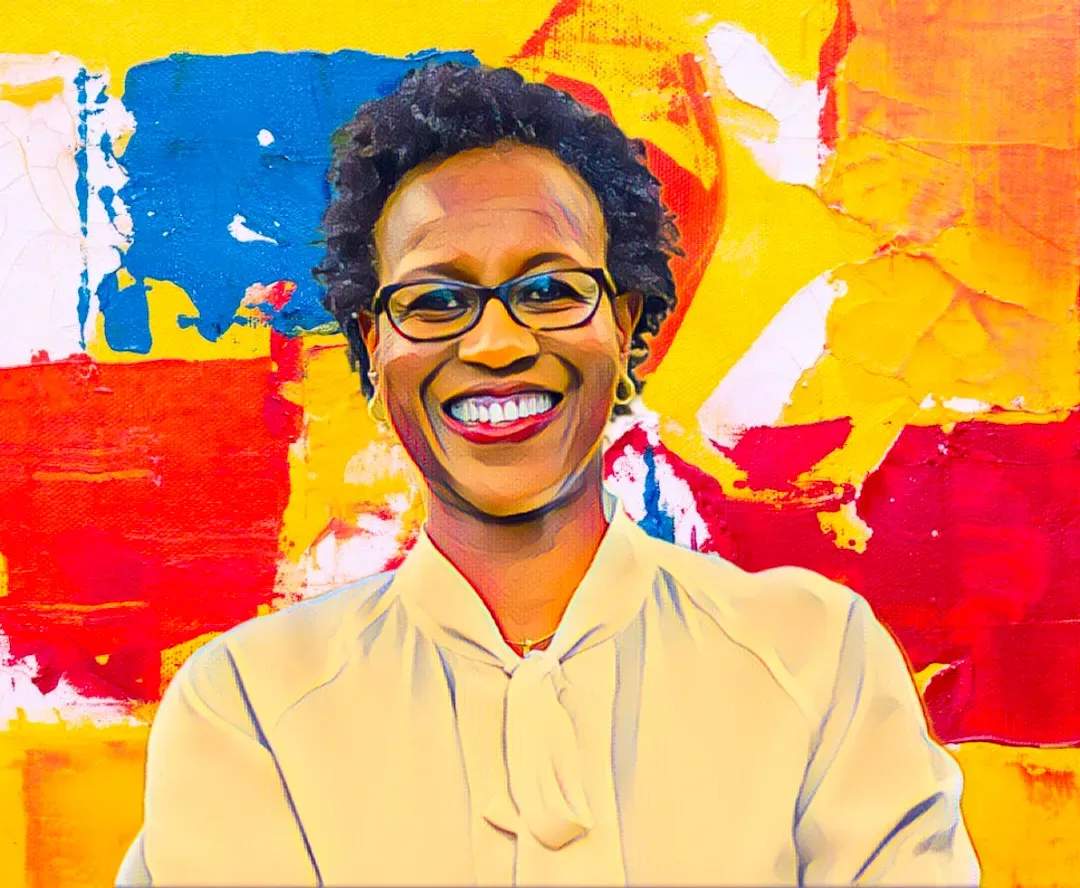
Kenyan billionaire Mary-Ann Musangi, plans to expand Haco Industries, the consumer goods maker founded by her late father Chris Kirubi, from eight export markets to 30 African countries by 2030, using local manufacturing partners and five regional hubs. adsbygoogle || []).push({});
Musangi, the managing director of the Nairobi-based company, set out the target in an interview with CNN published this week. Haco, which makes about 90 household, hair and skincare products, currently exports to eight African countries. Kenya is its largest market, and it also sells in Uganda, Rwanda, the Democratic Republic of Congo and Zambia.
She identified distance and logistics as challenges making sells across the continent from a single base in Kenya difficult. That is why local partners would be used rather than build all of its capacity itself. She told CNN:
“The only way I see we can do it is through these partnerships, working with local people,”
Ghana as a West African base
Ghana is set to become the company’s manufacturing base for West Africa. Haco this month signed a manufacturing and distribution agreement with Ghanaian company Ayewa Aberfur to produce and sell its Amara skin lotion in Ghana. Under the deal, Haco keeps control of formulations, quality standards and technical processes, while the Ghanaian partner provides production capacity and knowledge of the local market.
Musangi told Kenya’s Business Daily earlier this month that the company is “not investing in factories and in equipment” in Ghana and declined to disclose the size of its investment. Haco supplies the raw materials from Kenya. Nanayaa Bates, the founder of the Ghanaian partner, told CNN that the arrangement had increased her company’s manufacturing output tenfold.
Haco has identified Nigeria and Senegal as its next markets, according to earlier reports.
Inside the Nairobi plant
Haco’s factory in central Nairobi includes a plastics plant that makes the company’s own packaging and can produce 5 million components a month, manufacturing director Peter Ndichu told CNN. A separate plant can process and pack 1,365 metric tons of products a month. Packing lines currently handle about 3,000 pieces an hour, and the company says automated machinery could raise that to about 12,000, which it plans to install in a new factory.
The company sources raw materials from more than 500 farmers across Africa and says its brands reach more than 3 million families. It has shifted some sourcing to the continent to cut costs. Shea butter imported from the United States cost about 5,000 Kenyan shillings ($38.50) a kilogram, compared with about 1,000 shillings ($7.70) when bought from Uganda, CNN reported. The company now buys it from Uganda and Ghana.
“It is unacceptable that we continue to simply extract raw materials from Africa,” Musangi told CNN.
The expansion plan leans on the African Continental Free Trade Area, the agreement meant to cut tariffs and other barriers to trade among African countries.
Kirubi’s heir
Kirubi founded Haco in 1974 and built it into one of Kenya’s best-known household goods makers. He became one of the country’s most prominent businessmen, with interests in manufacturing, media, real estate and finance, and was a major shareholder in Nairobi-listed investment firm Centum Investment.
Musangi, a former marketing director at Kenya Commercial Bank, became managing director of Haco in February 2019, after her father was diagnosed with cancer. When Kirubi died in June 2021, he left 80% of his estate to Musangi and her brother, Robert, and she took over the management of his business interests. In July this year, she was elected vice chairperson of the Kenya Association of Manufacturers, the country’s main industry lobby.
The family has considered the company’s long-term ownership. Haco has explored a stock market listing or bringing in a strategic investor as part of succession planning, according to The Africa Report.
Billionaires.Africa