General News
NCC Advice Nigerians To Use *315# to Check Phones Before Buying,
By Isa Abdul, Abuja
Nigerians have been urged to check the verification status of mobile phones before buying them using the device checker code, *315#, according to the Nigerian Communications Commission, NCC,
ts website to establish whether a phone had received type approval and had been verified for use on Nigerian mobile networksNCC said buyers could also use the device checker on .
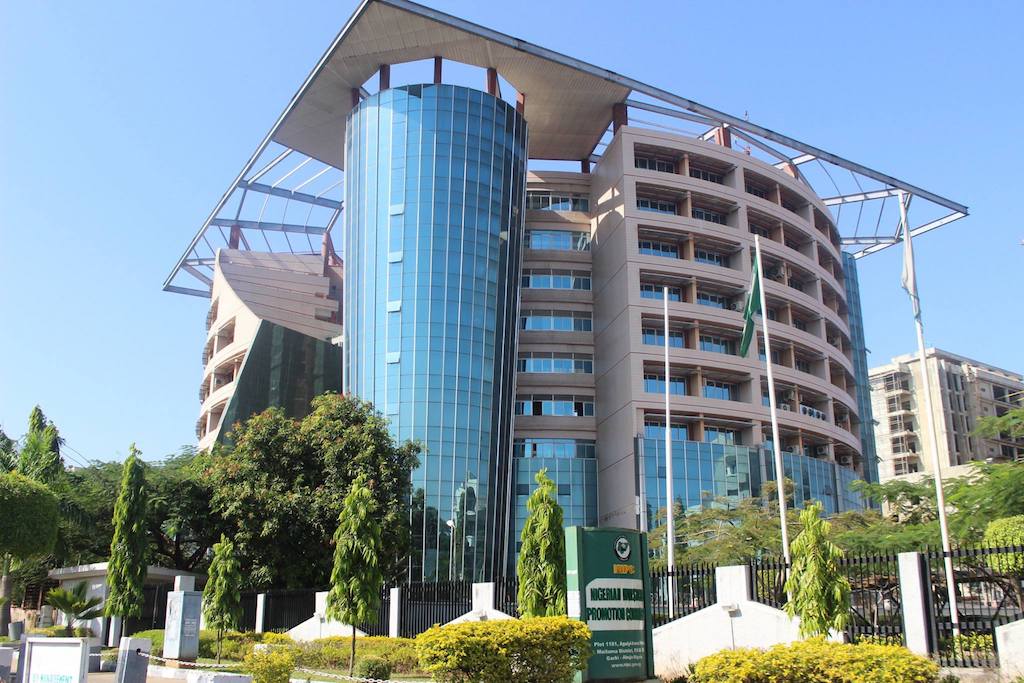
Speaking on Newsnight on Arise Television, the NCC’s Director of Technical Standards and Network Integrity, Eduyemi Ogoh, said the check was particularly important for people buying second-hand phones or devices imported from abroad.
“Before you buy the phone, dial *315# and confirm that the phone is fully verified before you pay,” he said.
Ogoh said the NCC introduced the checker to meet its statutory responsibility under the Nigerian Communications Act 2003, protect consumers and address complaints about poor network service linked to mobile devices.
“The whole intent of [type approval] is to ensure that every device coming into the country is genuine and works the way it should work,” he said.
He said consumers should be confident that they were spending their money on genuine devices, rather than “an old phone device that is fake or an imitation of the real thing.”
Ogoh said the commission had found that some service quality complaints were attributable to the devices consumers were using.
Unapproved or improperly functioning phones could affect both their users and others in the same area, he added.
NCC phone approval USSD code: How to check if your phone is approved in Nigeria
How to check if your phone is approved by NCC to avoid being blocked
TYPE APPROVAL ENFORCEMENT: Why your phone may stop working soon
To check a phone, buyers can dial *315# and follow the prompts to enter its International Mobile Equipment Identity (IMEI), a unique number assigned to each mobile device. Ogoh said buyers could check a phone’s IMEI before paying, including by asking the seller to provide it.
A device that fails the check is not necessarily counterfeit, he said. Type approval involves laboratory testing of a phone model to establish that it meets applicable standards and can operate properly on Nigerian networks. Verification confirms that an individual device has been registered on the NCC’s device checker system using its IMEI.
“Type approval is done just once per model,” Ogoh said, adding that manufacturers, vendors or importers, not buyers, were responsible for obtaining it.
The enhanced compliance process applies to devices brought into the country from October 7. Ogoh said devices already operating on Nigerian networks at midnight on October 6 had been onboarded and verified. The NCC had registered about 231 million such devices, he said.
“We know that people have spent their money to do this, so you cannot be asking them to go and throw those phones out,” he said.
Ogoh also sought to allay privacy concerns, saying the checker uses only the IMEI to verify a device and does not give the NCC access to a user’s calls, contacts, messages or stored information.
He said verification could help buyers avoid unexpected device problems and establish whether poor service was caused by an unapproved phone.
Consumers with complaints about the device checker can dial 315, while the NCC’s consumer complaint line is 622.