
News
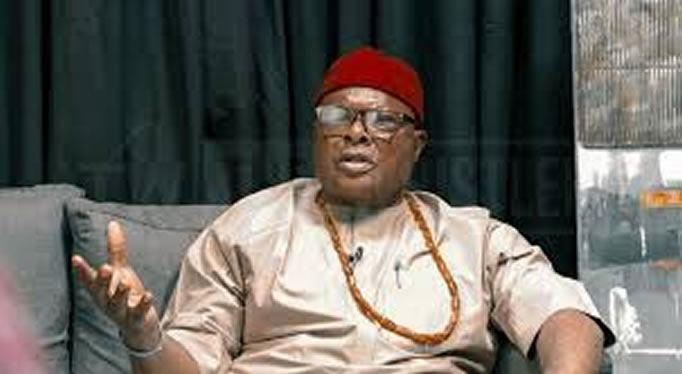
You Don’t Speak For Us, Tinubu Has Not Addressed Igbo Marginalisation, US-Based Groups Tell Umahi
By Our Correspondent
United States–based Igbo groups have strongly rejected claims by the Minister of Works, Senator David Umahi, that the Federal Government under President Bola Tinubu has addressed the marginalisation of Ndigbo, describing such assertions as “insulting, misleading and self-serving.

In a joint statement issued on Saturday, the groups said Umahi lacks the authority to speak on behalf of the Igbo people and should not project his personal political views as a collective Igbo position.
“Our attention has been drawn to an unguarded statement by Senator David Umahi that Ndigbo should forget Biafra agitation because the federal government has addressed all the challenges of Ndigbo,” the statement read. “We wish to remind him that he does not have the mandate to speak for Ndigbo. He should not allocate to himself powers he does not have.”
The statement was signed by Dr Sylvester Onyia, President of the American Veterans of Igbo Descent; Ben Nwankwo for Ambassadors for Self-Determination; and Maxwell Dede for The Rising Sun.
The groups accused Umahi of attempting to delegitimise longstanding grievances in the South-East while aligning himself with the political establishment in Abuja.
“Since he said he does not believe in Biafra, Biafrans also do not believe in traitors like him,” they said. “Nobody is coercing him to join the struggle, but he lacks the powers to stop it or speak for the people.”
They maintained that claims of an end to Igbo marginalisation were far removed from reality, questioning what concrete benefits the South-East has received under the Tinubu administration.
“It is an insult on the sensibility of Ndigbo for Umahi to claim that we are no longer marginalised,” the groups stated. “Since Tinubu became president, what exactly has Alaigbo gained?”
They cited what they described as persistent infrastructural neglect, including the continued abandonment of the Umuahia–Enugu railway line, while rail projects such as Lagos–Kano and Katsina–Niger Republic are operational.
“Why is the Umuahia–Enugu railway still moribund when other regions enjoy functional rail lines?” they asked. “Why does the South-East still have only five ministers, with two of them being junior ministers, while a single state in the South-West has four ministers?”
The groups also lamented the absence of a functional seaport and cargo airport in the South-East, despite the region’s commercial importance.
“Is Umahi not aware that there is no seaport in the South-East, even though our people are the highest importers in the country?” the statement said. “Do we have any functional cargo airport, major federal industries or maritime projects? Other regions do. Alaigbo does not.”
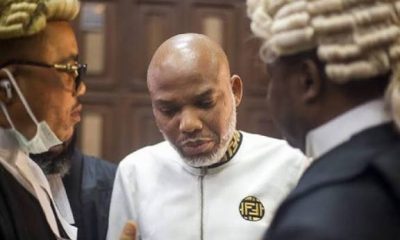
On the continued detention of Mazi Nnamdi Kanu, leader of the Indigenous People of Biafra (IPOB), the groups described his incarceration as emblematic of injustice against the Igbo people.
“Why is Mazi Nnamdi Kanu jailed while real terrorists and mass murderers roam freely and are treated with levity?” they asked. “Anyone who helps to keep Kanu in detention is working against the Igbo people.”
They alleged that Kanu’s detention has the backing of foreign interests and some Nigerian politicians who, according to them, have chosen “personal comfort over justice.”
“That is why people are angry. That is why people feel betrayed,” the statement added.
The groups also criticised the formation of the Ebube Agu regional security outfit, accusing its promoters of enabling abuses in parts of the South-East and demanding accountability.
“Those who created Ebube Agu should be held accountable for the atrocities committed in Igbo land, which are often wrongly blamed on IPOB and ESN,” they said.
Reaffirming their stance, the groups insisted that the agitation for Biafra transcends individual politicians and political appointments.
“Biafra is bigger than Umahi,” they declared. “The struggle is not about appointments or pleasing Abuja. It is about justice, dignity and self-respect.”
They concluded with a direct message to the minister and the Federal Government: “Dave Umahi does not speak for Ndi Igbo. He speaks only for himself. Our demand remains simple and clear: release Mazi Nnamdi Kanu. Anything else is deception.”





News
Kogi Community Protests Building of Mortuary in Residential Area.

The construction of an alleged mortuary close to public school and residential buildings is causing a massive protest by the residents of Agbeji Community in Dekina Local Government Area of Kogi State. adsbygoogle || []).push({});
The protesters who carried placards on Tuesday cite health and environmental concerns, even as the landowner insists he has the right to develop the property.
One of the protesters, who spoke on camera said they are not against someone’s business but their worry is the location of the mortuary near residential buildings and a public school.
But the landowner who identified himself as Alh. Rilwan Okobomude, disagrees, insisting the property is his and that he has the right to develop it, while pledging to comply with relevant regulations.
In an interview with News Central, monitored in Abuja, the land owner talked about building the mortuary for the hospital.
But it is not clear why he’s building a mortuary before the hospital.
News
Kogi Commissioner of Police Urges Officers On Citizens’ Rights
From Joseph Amedu, Lokoja
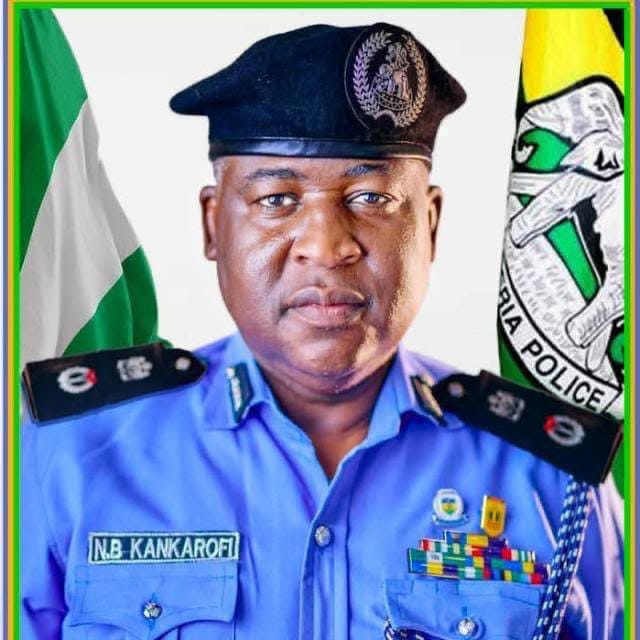
The Kogi State Commissioner of Police, CP Nazir Bello Kankarofi, has asked officers and men of the command to live above board in their responsibility of accountability, professionalism and respect for citizens’ rights, declaring that members of the public are the “bosses” of the Nigeria Police Force.
The CP, who spoke in Lokoja on Wednesday at the command’s 2026 Customer Service Week celebration, admitted that police brutality, extrajudicial activities, corruption and other misconduct by some officers had continued to undermine public confidence in the force.
He urged civil society organisations, religious bodies and other stakeholders to abandon “sugar-coated” speeches and openly expose shortcomings in police operations, saying the command needed honest criticism to improve its service delivery.
He said civil society organisations had a crucial role in that transformation, describing them as an important bridge between the police and the communities they serve.
He acknowledged the contributions of organisations involved in human rights, legislative advocacy, anti-human trafficking and other areas, saying their reports and interventions had helped expose gaps in policing and improve responses to vulnerable members of society.
He said partnerships with CSOs had, in different instances, helped the police uncover and disrupt human trafficking networks, rescue victims of sexual abuse, including rape and incest, and assist victims of domestic violence whose cases might otherwise have remained hidden.
Speaking on the theme of the celebration, “The Extra Mile,” the police chief said the command deliberately invited stakeholders to create an atmosphere for frank discussion about the performance of the police and citizens’ experiences in their encounters with officers.
“I will not be happy if everybody comes here praising the CP. That is not the purpose of this gathering. I am here to be battered so that I will go home and lick my wounds and improve,” he said.
The Commissioner said the objective was to enable officers, including the most junior constable, to hear directly from members of the public how their conduct and service were perceived, stressing that police personnel must understand that they were servants of the people and not their masters.
“The members of the public are our bosses. It is from their taxes that we are being paid our salaries. We are not their masters, but rather we are their servants,” he said.
The CP also acknowledged the historical burden of policing in Nigeria, noting that the colonial police system was originally established to protect colonial interests and suppress the local population, a mentality he said had, despite reforms in training, curriculum and democratic governance, continued to manifest in aspects of modern policing.
He called for a deliberate effort to dismantle such attitudes and build a police institution that listens to citizens, respects human rights and takes public perception and service delivery seriously.
The CP, however, appealed to stakeholders to ensure that information supplied to the police was timely and credible, warning that premature or unverified information could compromise investigations and ongoing security operations.
He assured citizens that the command would strengthen its complaint-response mechanisms, improve communication, listen to legitimate concerns and promote professionalism among its personnel, stressing that every interaction between an officer and a citizen could either strengthen or weaken public confidence.
He urged CSOs, religious organisations and community leaders to provide candid assessments of police operations rather than praise the command, saying such feedback would enable the police leadership to identify weaknesses and take corrective measures.
According to him, sustainable policing depends on public cooperation, noting that timely and credible information from communities could make the difference between a security threat being detected and a tragedy occurring.
The CP further urged stakeholders to use the celebration to provide concrete observations, recommendations and complaints which, he said, would be collated into a report for onward transmission to the Inspector-General of Police, IGP Olatunji Disu.
He said the initiative was ultimately aimed at building “a police force that the people can approach, a police force that listens, and a police force that responds with professionalism, fairness and respect.”
He called on officers to act within the law at all times and challenged the command to “fish out the bad eggs,” insisting that accountability, responsiveness and consistent engagement remained essential to restoring public confidence in policing.
The CP said the “Extra Mile” must therefore go beyond the annual Customer Service Week celebration and become a daily standard guiding how officers serve, communicate and relate with citizens across Kogi State.
“Our customers are the citizens whose lives, property, and rights we are sworn to protect. Going the extra mile may mean listening patiently to a complainant, responding promptly to a distress call, providing clear information, treating every person with dignity, or taking the additional step to ensure that a legitimate concern is properly addressed.”
Speaking on the SERVICOM mechanism, the Acting Officer in Charge of the unit, ASP Chikak Emmanuel, explained that the reintroduction of the SERVICOM Unit further underscores the command’s emphasis on citizen-focused, accountable and responsive policing.
According to him, the initiative provides a structured channel through which members of the public can raise concerns about police service delivery, obtain responses and contribute to identifying areas requiring improvement
He said the unit receives and documents complaints, forwards them to appropriate authorities for resolution and is expected to acknowledge complaints within 48 hours, while working towards resolving them within five to 15 working days, depending on their complexity.
Emmanuel said the unit would also engage communities, obtain feedback on police services, communicate citizens’ concerns to police authorities and identify service-delivery gaps between the force and the public.
He emphasized that the initiative which also aligns directly with this year’s theme, as exceptional service in policing, does not necessarily require grand gestures, adding that it only means listening patiently to a distressed citizen, acknowledging a complaint promptly, providing clear guidance, following up on a case or ensuring that a legitimate concern does not disappear in the system.
He however urged residents to use the mechanism to freely communicate their experiences, complaints and recommendations to the command.
The event also featured a Question and Answer session, during which participants subjected virtually every aspect of policing to critical interrogation; raising concerns, sharing personal experiences and seeking clarification on issues ranging from police conduct and accountability to crime prevention, complaint handling, human rights, community policing and service delivery, reinforcing the command’s call for frank, constructive engagement as a pathway to identifying gaps and improving public confidence.
Ends.
.
News
Acting Kogi Monarch Donates Solar Energy Supply to Agbokete Community
From Joseph Amedu, Lokoja
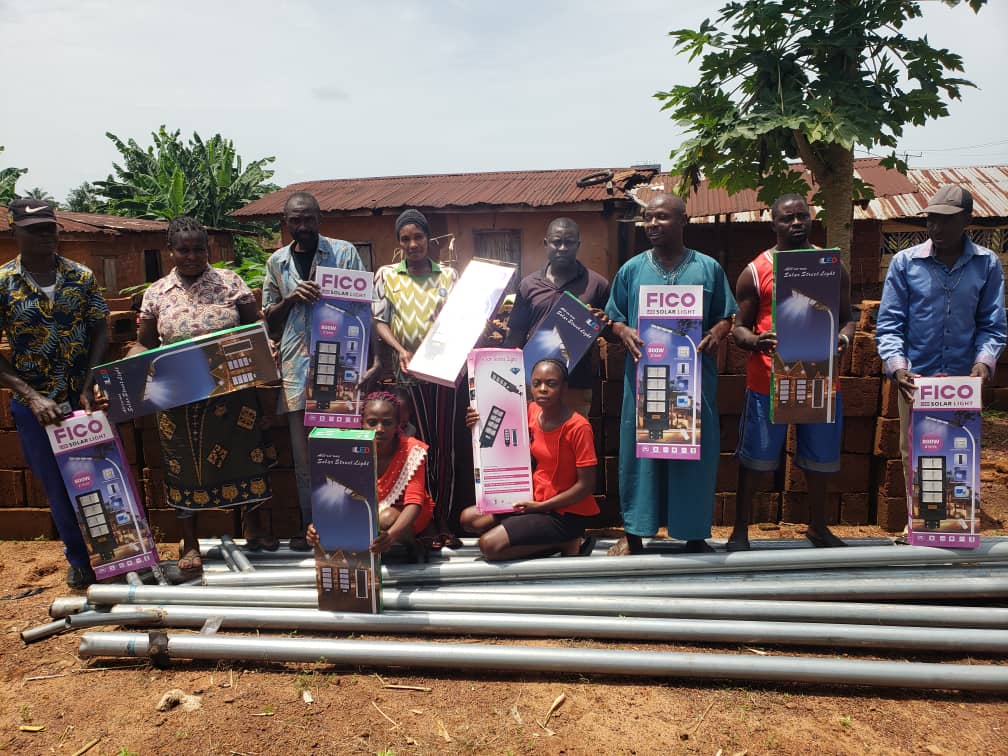
The Acting Oche Achadu Agbokete, Samson Alfa, has donated Solar Energy street lights worth thousands of naira to his community, Agbokete, in Igalamela/Odolu Local Government Area of Kogi state. adsbygoogle || []).push({});
Alfa while presenting the Solar Energy street lights to his people at Agbokete on Wednesday, said that the gesture is part of his contribution towards the development of his father land.
“Aside provision of power supply, the Solar Energy street lights would also go a long way in tackling the security challenge faced by the community” Alfa said

According to him the gesture has become necessary as it would equally serve as alternative means of power supply in the community.
He called on the people of the area to be sensitive in guarding the solar energy street lights against vandalization by criminal elements.
“You must be vigilant of strange movement in the community and should be prepared to assist security agencies in giving useful information that would help them in their efforts to track down criminals”
Alfa further admonished his subjects to embrace the spirit of embarking on self-help projects that would impact meaningfully on their living standards such as drilling of motorized boreholes, building of clinics, rural electrification among others.
He appealed to privileged citizens and spirited individuals not to relent in contributing their quota towards the development of their immediate community.
“Self-help projects initiative has come to stay in Nigeria as government alone cannot provide all communities with the needed facilities to earn good living” Alfa affirmed.
Speaking during the presentation, the people of the area expressed appreciation for the donation and assured of their preparedness for adequate protection of the solar energy street lights against vandalization.
Ends.
-
 Entertainments4 years ago
Nollywood Produces 541 Movies in 2022 First Quarter – NFVCB
-
 News7 years ago
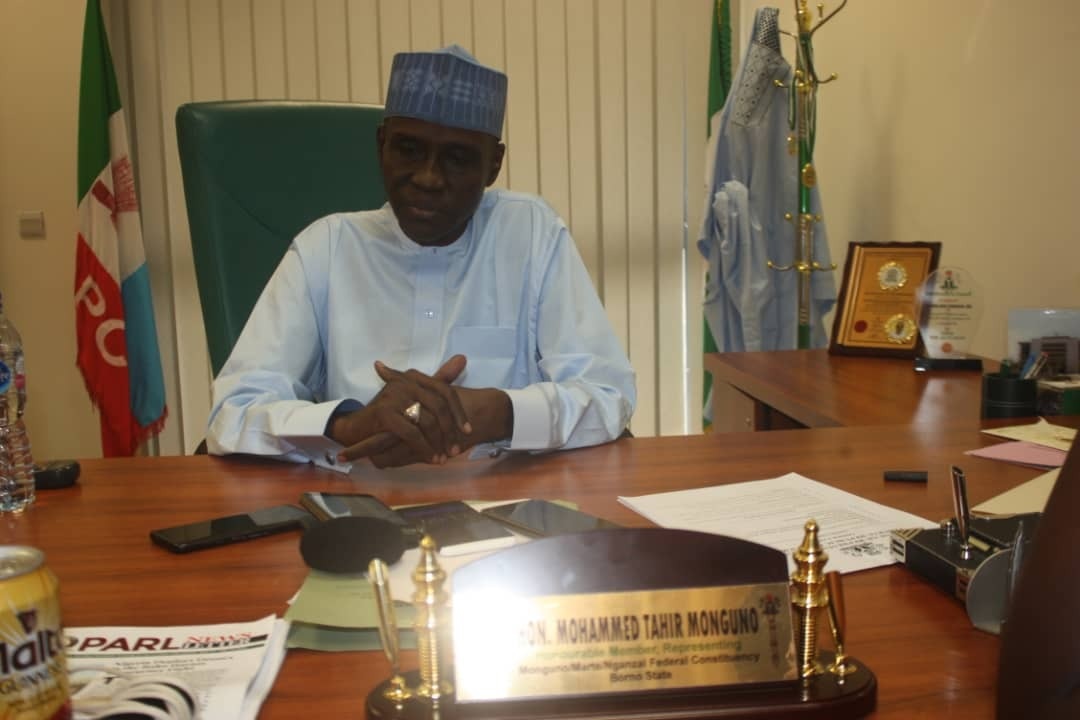
I will Maintain High Decorum – Hon Monguno
-

 News5 years ago
2021 Ethics And Integrity Compliance Scorecard Of MDAs: ICPC Scores Censors Board High
-

 Business and Economy4 years ago
Non-interest TAJBank Reports 433% PBT in 2021 Financial Year
-
 Entertainments7 years ago
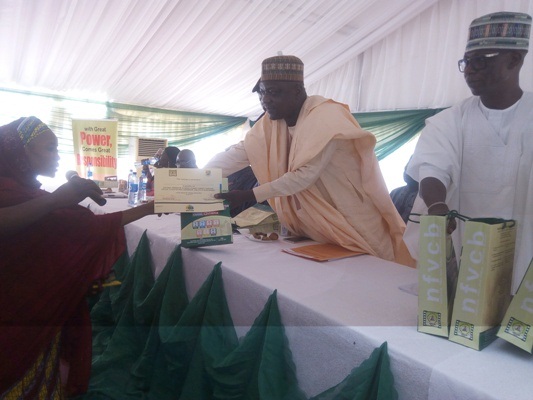
Censors Board Trains, Gives Grant to 100 Youths in Nasarawa State
-
 News4 years ago
ICDA North Central: Prince Oruma Sues for Igala Unity
-
 AWF7 years ago
AWF to Feature Adedokun, Kawu and Okah-Donli for April Guest Writer Session
-
 News3 years ago
Full List of The New Ministers and Their Portfolio