
Food and Agriculture
How Artificial Fertilizers In Food Production Can Cause Untimely Death
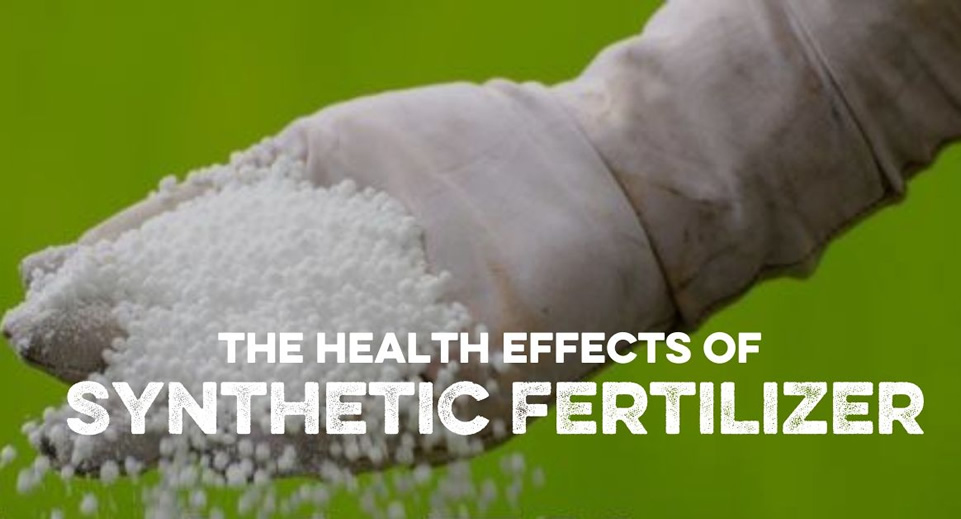
A Professor of Soil Fertility and Plant Nutrition, Professor Moses Awodun has reiterated the danger of continuous use of synthetic fertilizers in crop production to human life
The Professor observed that most terminal illnesses ravaging the society could be as a result of the consumption of various food crops including fruits produced with the aid of synthetic fertilizers.

Professor Moses Awodun made this observation while delivering the 129th inaugural lecture of the Federal University of Technology, Akure (FUTA) titled The Nexus of Population, Food Security, Climate Change and Plant Nutrition: Organic Wastes as Alternative Fertilizer in Nigeria.
Awodun, said the risk of dying from cancer (brain cancer, prostate cancer, leukemia, intestinal cancer and lymphoma (non-Hodgkin’s lymphoma, NHL) is said to be six times more when synthetic fertilizers are used on crops that are consumed by people.
He also said synthetic fertilizers has also been associated with causing a condition which leads to difficulty in delivering sufficient oxygen to all body tissues, and is also linked to birth and development disorders such as the Blue Baby Syndrome.
Professor Awodun indicated that crops grown with high impact of fertilizers are less resistant, less nutritiously balanced and rot more rapidly than those which are naturally grown.
According to the Don the application of excess fertilizers is destroying the presence and balance of the Microbiome responsible for the production of nutrients in the soil thus making the farmer more and more dependent on this inorganic fertilizer.
Buttressing his points Professor Awodun referred to a report which stated that an individual today would need to consume twice as much meat, three times as much fruit, four to five times as many vegetables to obtain the same amount of minerals and trace elements available in the same food in 1940 because of the use of synthetic fertilizers.
Awodun said that with the rich endowment of abundant natural, mineral and human resources which characterize developing world and especially Nigeria, it is expected that they should be able to produce enough food to feed their people , generate foreign exchange earnings from the export and sales of surplus.
He said Nigeria soil should be the next Black oil in a world of climate change, adding that if as a country, it can curtail the vagaries in farm activities; it will go a long way in restoring life to the soil.
Awodun, a one-time Acting Director, Centre for Renewable Energy Technology (CRET) advised that to meet a state of equilibrium in food production in the face of an increasing population, food security and climate change, the government should invest in healthy living soils by channeling agricultural subsidies towards sustainable farming methods, stating that if this is done right ,agriculture can conserve the diversity of species found in soil, halt land degradation and desertification which in turn would help countries ensure future food securities and mitigate climate change.
He said farmers should be encouraged to obtain all their fertilizers from organic sources such as compost manures, green manures and legumes.
He advised that for health, commercial and environmental reasons it is clear that fertilizers should be used with caution. He said crop production for future food security will require sustainable fertilizer management, which might include more sophisticated decisions support tools, improved agronomic practices and cropping systems that require less fertilizer input.
In his remark the Chairman at the event and Vice Chancellor, Prof Joseph Fuwape, represented by the Deputy Vice Chancellor, Development, Professor Philip Oguntunde described the lecture as a contemporary one to present happenings within the society.
He also commended the lecturer for his immense contributions to the body of knowledge in his field of study.


Food and Agriculture
Kogi L-PRES Project Hosts Stakeholders’ Engagement To Tackle Farmer-Herder Conflict
From Joseph Amedu, Lokoja
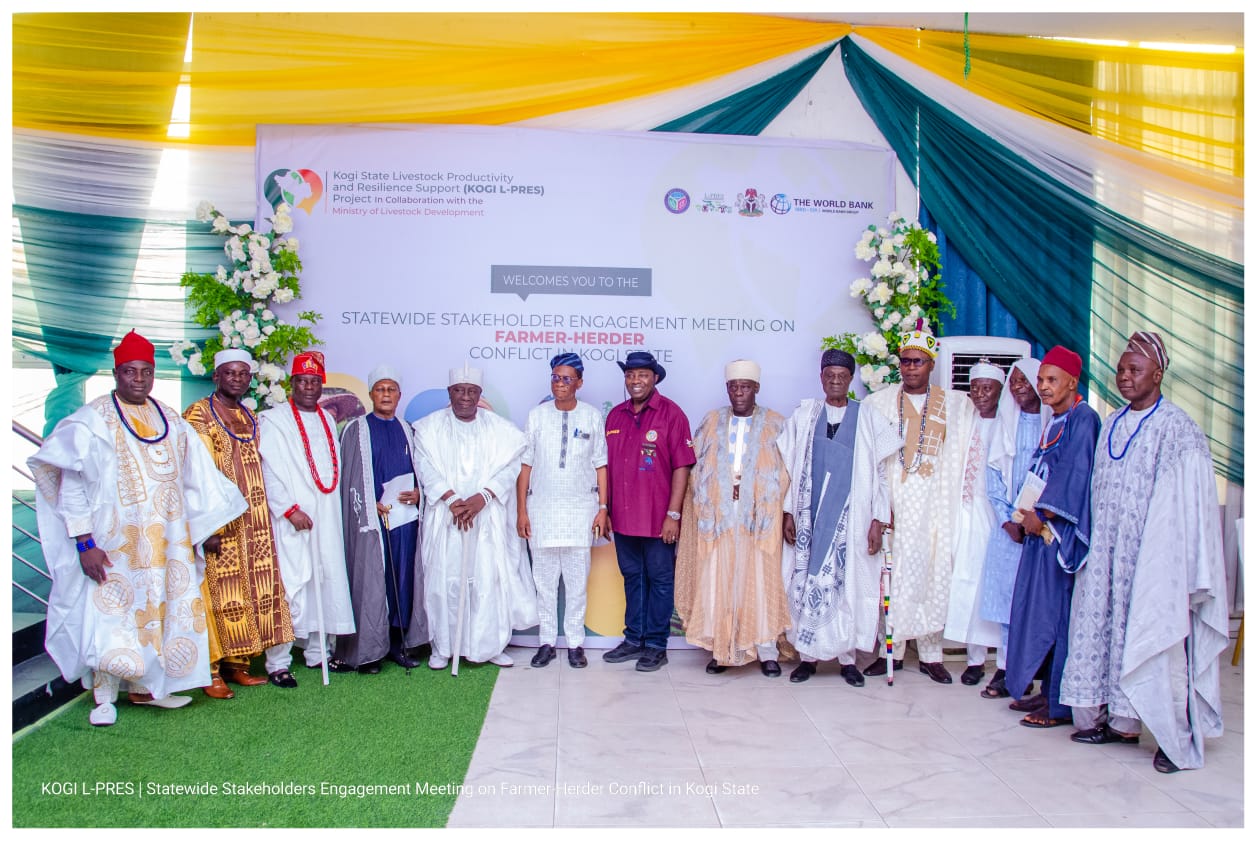
The Kogi State Livestock Productivity and Resilience Support (L-PRES) Project, in collaboration with the Ministry of Livestock Development, has organized a statewide stakeholders’ engagement to address farmer-herder conflict in the state.
adsbygoogle || []).push({});
The meeting, themed “Unlocking the Economic Potential of Peaceful Coexistence Between Farmers and Herders in Kogi State,” brought together key stakeholders to discuss ways to promote peaceful coexistence and sustainable development in the state.
Speaking at the meeting held at the Government House Lokoja, the Honorable Commissioner for Livestock Development, Dr Olufemi Bolarin, emphasized the need for collective responsibility in addressing the conflict.
According to him, farmer-herder conflict has led to disruption of livelihoods, reduced productivity, and growing tensions within communities.
He outlined the state government’s commitment to strengthening mediation and dialogue platforms, promoting clear access and usage rules for shared resources, and improving early warning and reporting systems to prevent escalation.
Dr Bolarin called on traditional rulers, local governments, farmers, and pastoralist leaders to play their part in fostering dialogue, reconciliation, and responsible practices.
The State Project Coordinator (SPC) of Kogi L-PRES Project, Mr Abdulkabir Onoruoyiza Otaru, urged stakeholders to work together to address the issue of farmer-herder conflict in the state.
Mr Otaru emphasized that the conflict has been affecting livelihoods, reducing productivity, and straining community relationships, and urged stakeholders to take a proactive approach to addressing the challenge.
The SPC noted that the meeting was part of the project’s efforts to strengthen policies and support the state government in establishing Conflict Prevention & Resolution Committees (CP&RC) at the state and local government levels.
He also disclosed that the project has engaged a consultant for the Mapping and Documentation of Grazing Reserves and Stock Routes in the state, and is working with the Ministry of Livestock Development to develop critical livestock infrastructure across the livestock value chain clusters in the state
The SPC called on traditional rulers, local government chairmen, farmers, herders, youth, women, and security agencies to take responsibility for promoting peace and stability in the state.
He emphasized that lasting solutions to the conflict can only be achieved through collective efforts and collaboration.
Mr Otaru reaffirmed the project’s commitment to working with the state government and stakeholders to safeguard livelihoods, protect livestock investments, and promote peaceful coexistence.
However, the Obaro of Kabba, HRM, Oba Solomon Dele Owoniyi, highlighted the severity of the issue, describing it as more than just a conflict, but a security crisis that requires delibrate efforts and commitment of the critical Stakeholders.
The traditional ruler expressed concern over the rising cases of kidnapping and abduction in the state, particularly in Okun area.
The monarch appreciates the State Government Efforts towards addressing the menace and called for deployment of more security facilities and scientific approaches to tackle the challenge.
In their various paper presentations, the guest Speakers, highlighted various types of conflicts and their root causes particularly the farmer-herder crisis. They enumerated the negative economic impact and the various ways for the prevention, management and resolution.
They emphasized that lasting solutions to the farmer-herder conflict could only be achieved through adequate sentization, collective efforts and collaborations.
The Stakeholders’ at the event include traditional and religious leaders, security agencies, veterinarians, community and opinion leaders, farmers and herders’ associations, key value chain actors, local government chairmen and officials, women and youth groups, among others from the 64 Livestock Value Chain Clusters across the 21 LGAs in Kogi State
The stakeholders stressed the need for continuous sensitization and effective collaboration between farmers and herders to foster peaceful coexistence.
Ends.
Food and Agriculture
Kogi Vows To Invest More In Cashew Business For Job Creation, Others
From Joseph Amedu, Lokoja
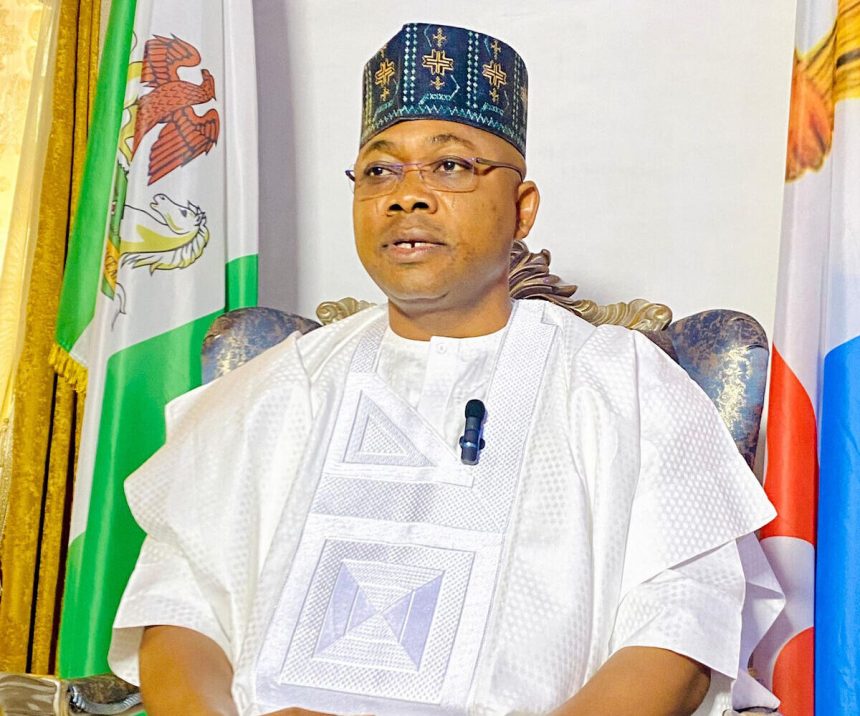
Following the current high rate of unemployment bedeviling Nigeria, Governor Ahmed Usman Ododo of Kogi state has given an assurance that his administration will invest more in Cashew Business as alternative source of survival for the people.
adsbygoogle || []).push({});
Ododo maintained that apart from job creation, Cashew Value Chain has the potential of boosting the state’s socio-economic and industrial development.
Governor Ododo gave the assurance while flagging off the 2026 Cashew Season and Unveiling of Kogi Cashew Procurement and Trade Policy, 2025, as well as Distribution of five million Hybrid Cashew Seedlings to Farmers, held at the Government House, Lokoja on Friday.
The launch was organized by the Kogi State Commodity Exchange, Export Promotion and Market Development Agency (KOSCEPA) in collaboration with Agro Trading Consult Limited (ATCL) to commence the activities of this year’s Cashew farming in the state.
According to Governor Ododo “My administration is encouraging investment in Cashew Production in large scale commercial as it remains the most valuable cash crops and a major player in wealth creation, socio-economic and industrial development of a given society.
“Our focus as a government should shift from emphasis in politics to large scale investment in cash crops especially Cashew Production, Packaging, Processing, Branding and Structured Grades”
He noted that Cashew could be used as food, medicine, industrial purpose, agriculture, and cosmetic amongst others hence the need for heavy investment in the sector in view of its enormous value to human existence.
The Governor warned against stakeholders who embark on unregistered and illegal middle men in Cashew Business and other mining activities in the state to desist forth with or be ready to face prosecution.
“Stakeholders should endeavor to follow due process by getting themselves registered as any person found violating this government policy will be made to face the full wrath of the law”
The Director-general of Kogi State Commodity Exchange, Export Promotion and Market Development Agency, KOSCEPA, Victor Omofaiye in his welcome address, outlined the benefits of cashew to include; promotion of local cashew processing industries for job creation, enhancement of quality control and maintenance of Kogi’s reputation as a top cashew processing state, establishment of a structural and traceable cashew marketing system, increasing state revenue through organized trade and export levies and showcasing Kogi state cashew to the world.
Omofaiye also enumerated measures put in place to ensure Cashew Nuts quality control and regulation as follows:
*No foreigner is allowed to purchase we raw Cashew Nuts
*All buyers and exporters of Cashew nuts within Kogi state shall register with Agro trading Consult Limited in order to qualify for participation in the 2026 Cashew season
*The use of the Kogi state customized jute bag is sacrosanct, as without it no Cashew nut is permitted to leave the state
*All licensed buying agents must grant access for grading and inspection of all Cashew within the Agro Trading Consult Limited accredited warehouses for quality certification purposes
*Fumigation of all ATCL accredited warehouses for storing cashew is mandatory
*Payment of all regulatory levies is sacrosanct
*Shaking of cashew trees to reduce early harvest is strictly prohibited
Kogi State’s Commissioner of Commerce and Industry, Muktar Shaibu, in his remarks, praised Governor Ododo policy on poverty reduction in the state through agriculture particularly in Cashew Production.
According to the commissioner “Kogi people will remain supportive of this laudable policy which has brought relief and smiles on their faces”
The Ata’Igala and President of Kogi State Council of Traditional Rulers, His Royal Majesty Matthew Opaluwa, who also spoke at the event, hailed Governor Ododo’s efforts to increase Farmers wealth through investment in agriculture.
His Royal Majesty who was represented by Onu Itobe, Chief Salifu Ocholi, declared the traditional Rulers solidarity and loyalty to Governor Ododo’s administration in view of his numerous achievements in uplifting the living standard of the people within the short period in office.
Food and Agriculture
AFAN President Charges Members On Improving Capacity Of Farmers
From Joseph Amedu, Lokoja
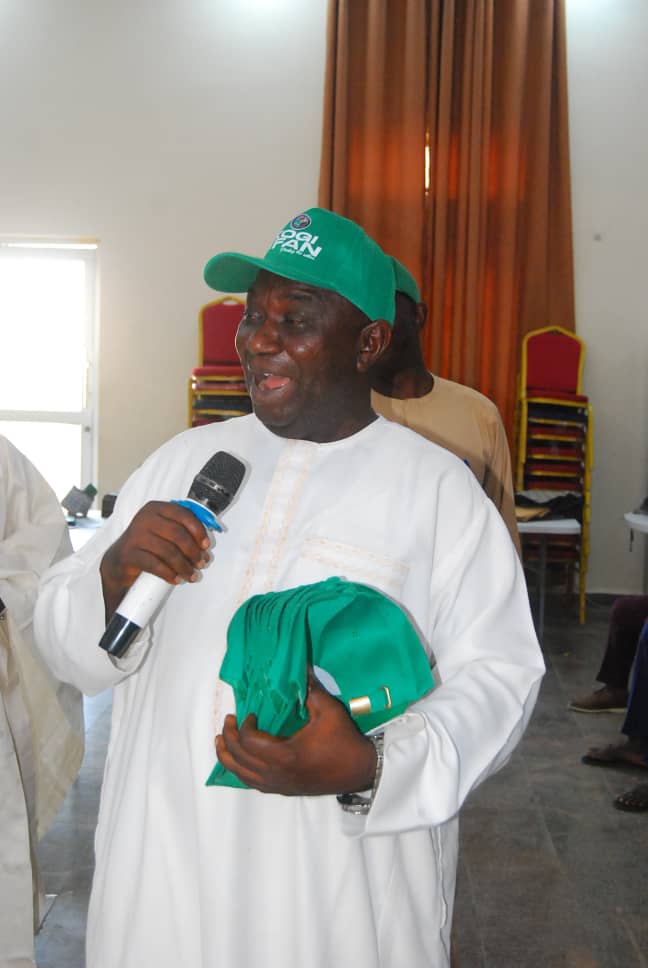
The National President of All Farmers Association Of Nigeria (AFAN), Dr Farouq Rabiu Mudi, has charged the state chapter of AFAN to double their efforts to improve the capacity of all farmers in the state.
adsbygoogle || []).push({});
Dr Rabiu made the call at the inauguration of the state chapter of AFAN led by a retired Deputy Clerk of the National Assembly, Senate, Alhaji Ahmad Abdullahi.
He said farmers in Kogi State had all the potentials to produce for the country and for export stressing that the state has enough arable land and favorable climate.
The President commended that the new chairman for his proven track record which he has exhibited in the inauguration of the state executive in a record time adding that if it is only those with capacity that can do such.
He admonished him not to relax but do everything possible to ensure that the all the farmers in the state no matter where the residue are are carried along.
-
 Entertainments4 years ago
Nollywood Produces 541 Movies in 2022 First Quarter – NFVCB
-
 News7 years ago
I will Maintain High Decorum – Hon Monguno
-

 News5 years ago
2021 Ethics And Integrity Compliance Scorecard Of MDAs: ICPC Scores Censors Board High
-

 Business and Economy4 years ago
Non-interest TAJBank Reports 433% PBT in 2021 Financial Year
-
 Entertainments7 years ago
Censors Board Trains, Gives Grant to 100 Youths in Nasarawa State
-
 News4 years ago
ICDA North Central: Prince Oruma Sues for Igala Unity
-
 AWF7 years ago
AWF to Feature Adedokun, Kawu and Okah-Donli for April Guest Writer Session
-
 News3 years ago
Full List of The New Ministers and Their Portfolio