
Health and Life Style
How To Lower Your Cholesterol With The Best Plant-Based Protein
By Sukhman Rekhi
According to a dietitian, soy is the best plant-based protein for improving cholesterol levels.
Soy is the top plant-based protein for lowering cholesterol because it is high in protein and low in saturated fat.
adsbygoogle || []).push({});
Eating about 25 grams of soy protein each day is linked to lower LDL, or “bad,” cholesterol.
Add soy foods like edamame, tofu, tempeh, or soybeans to meals and snacks.
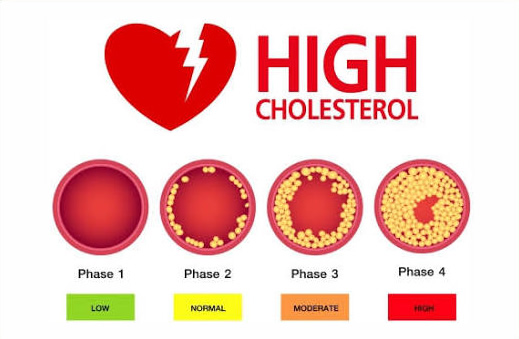
High cholesterol is one of the leading risk factors for heart disease. Factors like eating a diet high in saturated fats, physical inactivity, alcohol and tobacco use, and underlying conditions like obesity or lupus can all raise your risk of high cholesterol.
However, the foods you eat can lower your cholesterol over time and support your heart health. Eating plant-based proteins is a promising way to improve your cholesterol, and experts say there’s one plant-based option that’s a clear winner: soy.
Why Soy Is the Top Choice for Lowering Cholesterol
Soy is a recommended plant-based protein for people looking to lower cholesterol because it provides high-quality protein and is naturally low in saturated fat.
“Soy is the pick, whether you eat it as edamame, tofu, tempeh, or whole soybeans,” said Lauren Manaker, MS, RDN, a registered dietitian-nutritionist based in Charleston, South Carolina. “The data shows that eating about 25 grams (g) of soy protein a day is linked to lower LDL (or ‘bad’) cholesterol.”
While other plant-based protein options like lentils, beans, or quinoa can also support your heart health, there are a few main reasons why soy is the clear standout. “It’s a complete protein, as it contains all nine essential amino acids in amounts close to what your body needs, which is uncommon among plants,” Manaker said.
The nine essential amino acids offer several benefits, like repairing your tissues and supporting your immune system.
Because soy includes the essential amino acids that help keep your body functioning, it’s an easy way to add it to meet your protein needs without having to combine it with other plant-based protein sources. “It makes for an easy swap for meat and dairy without giving up protein quality,” Manaker added.
But soy also provides other valuable nutrients that help lower cholesterol. “Soy is naturally low in saturated fat and includes some plant-based omega-3 fat called alpha-linolenic acid (ALA),” Manaker said.
“It also offers protein, fiber, and healthy fats in one food.” Manaker maintains that soy is better researched than other plant proteins, so it has more established evidence of cholesterol-lowering benefits than foods like peas, nuts, or oats.
While soy is considered a top choice, Manaker cautioned that it’s not the only good plant protein option. “Beans, lentils, and chickpeas have strong evidence too,” she said. “Soy edges ahead mainly because it packs more protein per serving and comes in so many forms, from a glass of soy milk to a block of tofu.”
Nutritional Benefits of Eating Soy
Overall, soy offers a variety of heart-healthy benefits, thanks to its high protein, low saturated fat, fiber-rich, and mineral-rich properties.
“High-quality protein helps you feel full and makes it easier to replace animal proteins that carry more saturated fat,” Manaker said. In particular, “polyunsaturated fats, including omega-6 linoleic acid and omega-3 ALA, are linked to lower LDL when they replace saturated fat in the diet.” Essentially, when you regularly eat foods high in saturated fats, it can raise LDL (“bad”) cholesterol. But the unsaturated fats in soy can help lower LDL cholesterol over time.
Continue Reading