
ICT
Improving Education In Africa Via ML, AI
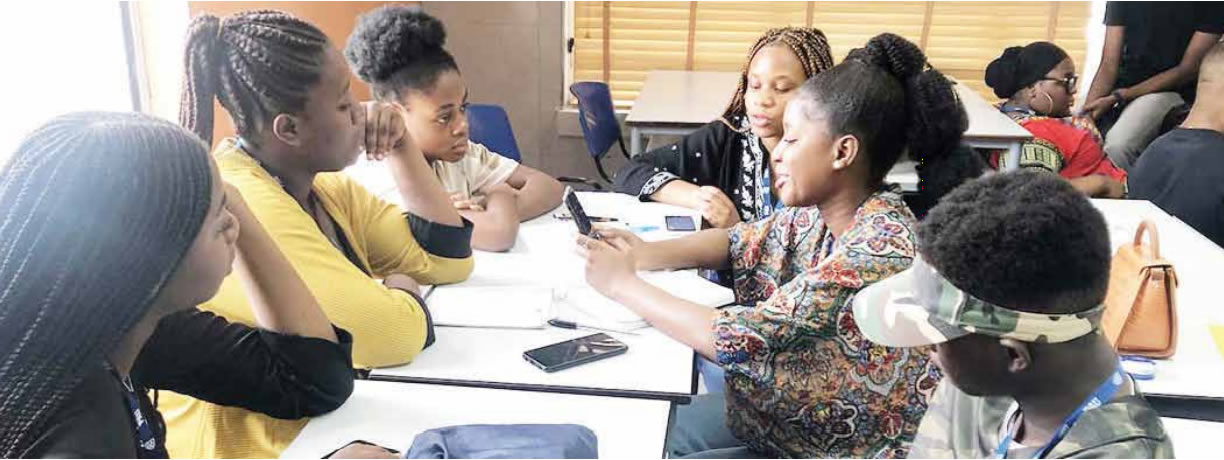
One of the immediate challenges that the COVID-19 pandemic threw up was the challenge of maintaining the education system, as social interaction was almost impossible. It then becomes an urgent task to device a means to continue educating the young people. adsbygoogle || []).push({}); com/pagead/js/adsbygoogle.js">

There is no doubt that Artificial Intelligence (AI) will be the dominant technology of the future and will impact every aspect of the human civilisation. Most importantly, AI/ML (machine learning) will influence how communication networks, a lifeline of our society, will be run.
And more so, when there is also the need to bring to its barest minimum communication barrier in diverse cultures and languages as found in Nigeria and Africa at large, a reason Nigerian Experts in the field of Information and communication technology (ICT) are proposing the: “AI‑Based Classroom” project. With AI‑based Natural Language Processing (NLP), classroom conversations between pupils and teachers are processed at the network edge to extract keywords while maintaining speaker anonymity.
These keywords are then transmitted to a trained classifier in a central server, which is able to recommend captivating media content based on the input, providing students with intuitive examples, supporting a teacher’s explanations. The media content can then be shared on a digital display in the classroom or used in any other format.
Though, rather than attempting to replace the efforts of elementary school teachers, the proposed system is designed to augment it, maximizing both school hours and off-school hours in the learning process. Regrettably, development of AI-based classrooms depends on efficient speech recognition libraries as a critical prerequisite. This proved very difficult to find.
A group of students are driving one of such projects, under the guidance of Dr. James Agajo, Associate Professor and Head of Wireless Networks and Embedded Systems Technologies (WINEST) Research Group in the Department of Computer Engineering at the Federal University of Technology in Minna, Nigeria.
WINEST Research Group launched a study on “use cases and solutions for migrating to IMT‑2020/5G networks in emerging markets” and the focus was to determine how machine learning could help emerging markets to leapfrog technology generations to take advantage of emerging and future networks while optimizing energy consumption, network coverage, and communication overheads.
Dr. Agajo said, “What we did was to come up with Automatic Speech Recognition as it relates to African Languages. You know ordinarily, this thing exists but in foreign languages. When you go to a high profile international meeting, you see people using a speech translator, language translator in their ear. When they are speaking French, the other person is reading it to you in English.
“And we are saying that why do we need to always surrender to technologies from the west? Why not come down and equally do our own so that there would be no barrier? If you are speaking Hausa, the other person speaking; who probably does not have an interpreter can easily use this ASR, that is an Automatic Speech Recognition mechanism we are putting together to hear what you are saying. So it has to break that barrier and at the same time lessen that gap.
“But to achieve this, one needs a database for all the speeches because how the stuff works is that; for every term you have in a particular language, English has a lot of words, those words are actually kept in a database; so that if you have Hausa, Yoruba, English, Idoma, whichever you are going to have, you can have all the words in a particular database.
“So, if you are able to capture all of the words in a database, then you could come up with a high level sophisticated program that would be selecting the item from a database and matching it with your own.
For instance, when you say in Yoruba, “wa”, then Hausa says “zo”, so you have the Yoruba word in the database, the Hausa word in the database too. When you speak each of these words in a language, it would check through the database and match it with an equivalent in a language of your choice.
That is why an issue of language barrier is not an issue in countries like the United States of America.
Dr James Agajo that has presented papers in high profile Conferences Organised by IEEE, Institute of Engineering Technology (IET), ITU, United States Environmental Protection Agency, National Space Research Development Agency, also said that: “We were in search of a speech recognition library which was able to function locally, meet users’ privacy concerns, and was freely available. In view of the extraordinary number of languages spoken across Nigeria, and Africa at large, we also needed a library able to perform well in processing the English language accented in many different ways.
“We evaluated many software libraries, but none of them succeeded in meeting all of these requirements. This led to the launch of a new WINEST Research Group project in February 2020 to develop a new speech recognition framework able to meet the unique requirements of the AI‑Based Classroom project.
“The project evolved from the discussions sparked by our presentation of the AI‑Based Classroom project at the 7th Regional Workshop on “Standardization of future networks towards building a better-connected Africa” in Abuja, Nigeria, 3–4 February 2020, convened by ITU’s standardization expert group for future networks and cloud computing, ITU Telecommunication Standardization Sector (ITU–T) Study Group 13.
“The expert feedback provided by the Abuja workshop motivated our launch of a pilot project in Nigeria to develop African Automatic Speech Recognition System (AASRS)”.
“We are collecting speech data and developing the ASR engine to deliver a prototype able to guide the development of a system ready for market deployment. We have developed the “Wazobia” mobile application, to support the necessary data collection, where Nigerian “voice donors” read displayed text aloud and donate the recording anonymously”. Agajo further revealed.
“Wazobia” is an amalgam of three words meaning “come” in Yoruba (wa), Hausa (zo) and Igbo (bia), Nigeria’s three largest linguistics groups.
Agajo also said that, “The speech data is stored on our server as “invalidated” by default, pending the crowd-sourced validation of this data by volunteers via the Wazobia mobile app. This validation results in Boolean evaluations of the accuracy of the ASR engine’s transcriptions of recorded speech.
To date, the project through the freely available Wazobia mobile app has collected over three hours of speech corpus from over 170 voice donors. This is a welcome development.
It is almost impossible to believe that the majority of the whole world would be on its knees begging for the Pfizer vaccine for the COVID-19; a Coronavirus that, 15 months ago little was known about. Africa should be proactive in developing solutions for Africans and the whole world.
Author Profile

Latest entries
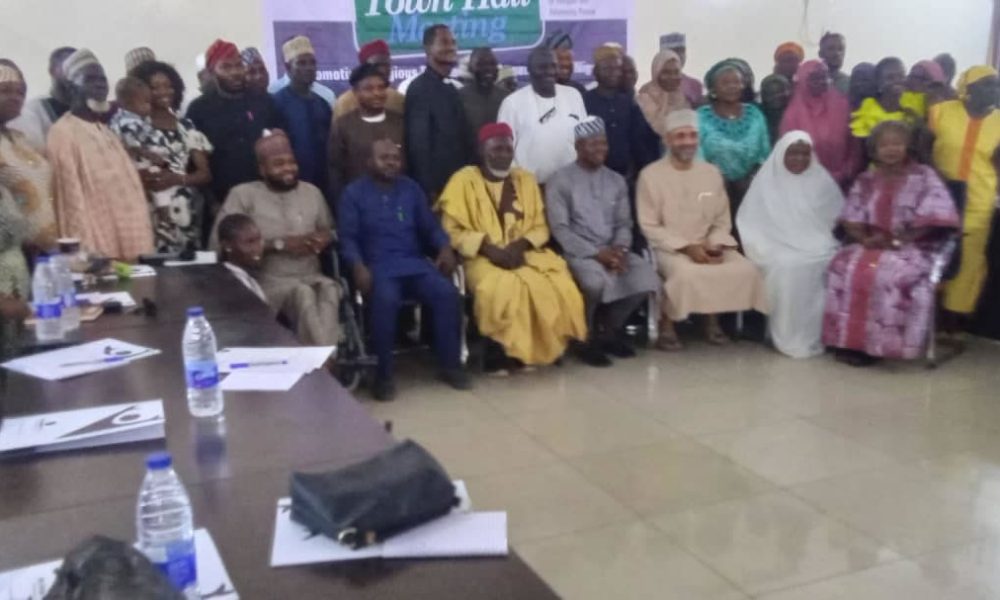 ReligiousDecember 11, 2025Peace Across Faiths: Minna Town Hall Strengthens Nigeria’s Commitment to Religious Freedom
 OpinionDecember 10, 2025LIES VS FACTS: Revisiting The Aregbesola Years In Osun
 Business and EconomyDecember 9, 2025KGIRS Sensitizes Stakeholders On Implementation Of New Nigeria Tax Act, 2025
 NewsDecember 9, 2025Insecurity: Ododo Briefs President Tinubu On Proactive Measures Put In Place


ICT
Kogi First Lady Calls For Responsible Use Of ICT
From Joseph Amedu, Lokoja
The wife of Kogi Governor, Hajia Sefinat Usman Ododo, has called on youths across the state to embrace responsible use of Information and Communication Technology and digital platforms as tools for promoting positive values in society.
adsbygoogle || []).push({});
com/pagead/js/adsbygoogle.js">
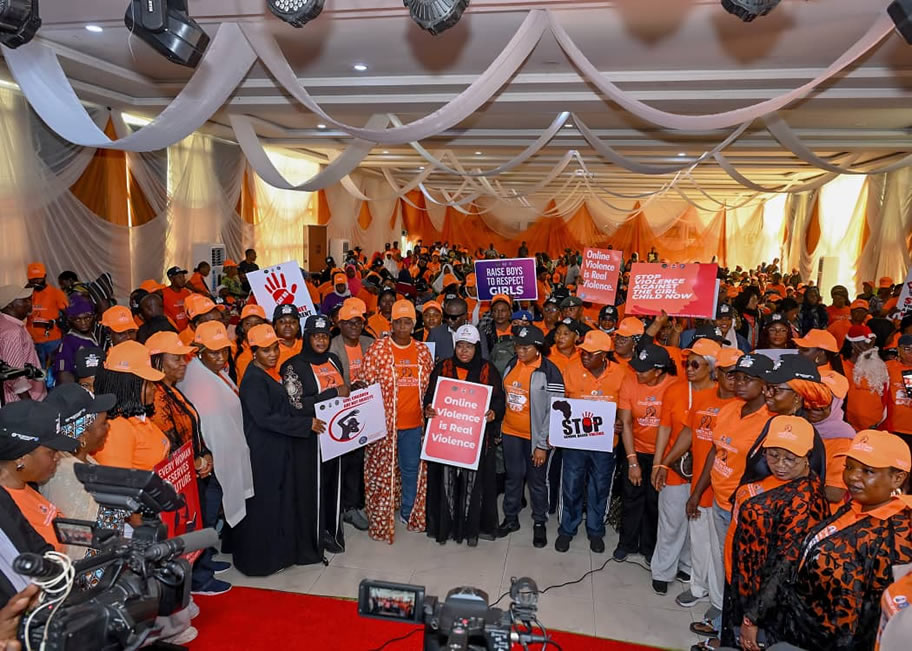
Mrs Ododo made the call at a sensitization programme held in Government House, Lokoja, to commemorate the 2025 International Day for Elimination of Violence Against Women and Girls, and 16 Days of Activism Against Gender Based Violence,
The First Lady said the celebration was part of Kogi Government’s efforts to strengthen the campaign against violence targeted at women and girls in the state.
She stressed the significance of this year’s theme, which focuses on combating the growing menace of digital violence.
Mrs Ododo urged all well‑meaning citizens of Kogi State and Nigeria to reject every form of online abuse, harassment, and harmful content while prioritizing the protection and wellbeing of their families.
She emphasised that violence, whether physical, emotional, or digital, remains a major destroyer of homes, bringing sorrow, disunity, and strife, and appealed to parents, especially mothers, to be vigilant in monitoring their children’s online and offline activities.
Reaffirming the Kogi State Government’s commitment, she noted that safeguarding women and children is a top priority, promoting equal access to education, supporting girls’ and women’s participation in policy‑making, and strengthening empowerment structures.
The First Lady also called on women and girls to stand against digital violence, break the silence, and empower themselves to use digital platforms wisely,
She urging men and boys to join the fight and foster a culture of respect and equality.
The Secretary to the Kogi State Government, Mrs Folashade Arike Ayoade (PhD), and the Commissioner for Women Affairs, Hon. Acharu Okpanachi, reaffirmed a united front against violence targeting women and girls in the state.
Ayoade emphasized that the fight is collective, and urged every stakeholder to contribute to a safer society for women and girls.
Hon. Okpanachi said that her ministry will collaborate closely with partners to shield women from all forms of violence and is launching a program offering counseling, support services, and awareness campaigns on women’s rights.
Several speakers also highlighted the importance of women gathering evidence—such as screenshots—to strengthen justice efforts.
The Governor’s wife with other dignitaries had earlier in the morning led Kogi women and girls on a road walk across Lokoja streets on campaign to stop violence against women and girls in the state and Nigeria at large.
Ends.
Author Profile
Latest entries
ReligiousDecember 11, 2025Peace Across Faiths: Minna Town Hall Strengthens Nigeria’s Commitment to Religious FreedomOpinionDecember 10, 2025LIES VS FACTS: Revisiting The Aregbesola Years In OsunBusiness and EconomyDecember 9, 2025KGIRS Sensitizes Stakeholders On Implementation Of New Nigeria Tax Act, 2025NewsDecember 9, 2025Insecurity: Ododo Briefs President Tinubu On Proactive Measures Put In Place
ICT
Digital Economy and eGovernance: Stakeholders Endorse Bill, Demand Institutional Role Definition
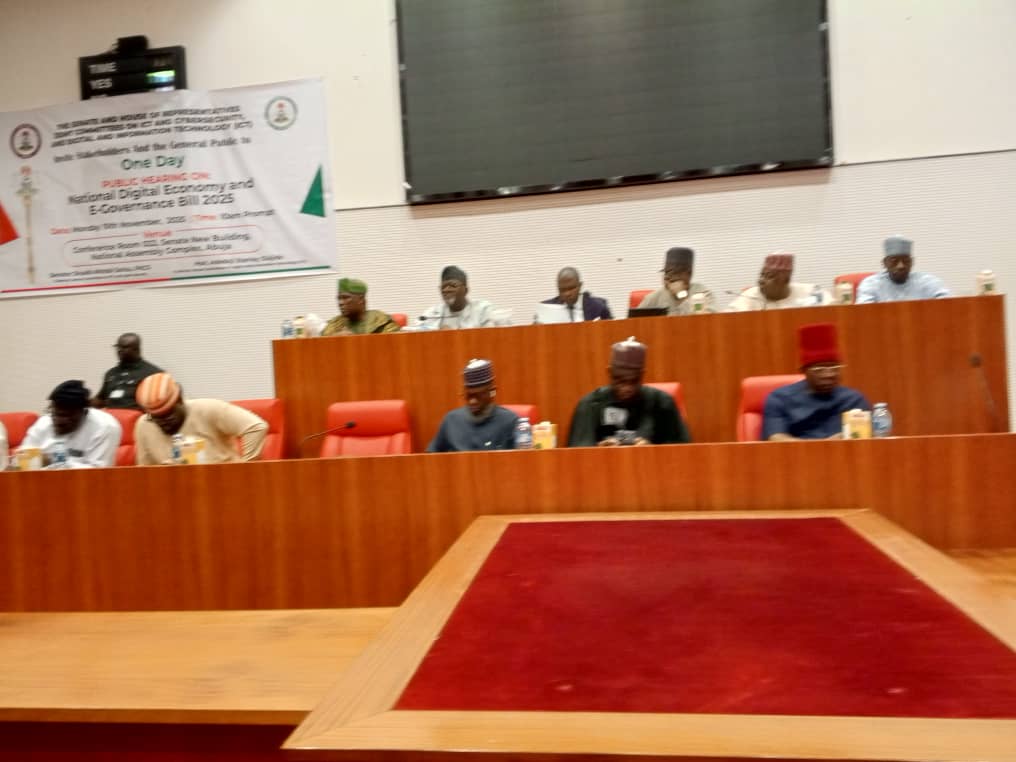
By AbdulRahman Obaje
Stakeholders across Nigeria’s digital and technology ecosystem have expressed support for the proposed National Digital Economy and E-Governance Bill 2025, describing it as a vital step toward establishing a comprehensive legal framework that will strengthen digital governance, boost innovation, and accelerate socio-economic development.
com/pagead/js/adsbygoogle.js">
However, they urged the National Assembly to address potential overlaps between the proposed law and the mandates of existing agencies to prevent institutional conflict and regulatory burden.
The submissions were made on Monday during a Public Hearing convened by the Joint Committees of the Senate and House of Representatives on ICT, Cybersecurity, Digital and Information Technology at the National Assembly, Abuja.
Among groups that presented their position was the Network of Advocates for Digital Reporting (NADIR), which commended the Minister of Communications, Innovation and Digital Economy, and federal lawmakers for the initiative.
Presenting NADIR’s memorandum, its Legal Adviser, Barrister Yunus AbdulSalam (SAN), said the Bill represents a significant legislative intervention aimed at modernizing Nigeria’s digital governance ecosystem and regulating emerging technologies. He, however, cautioned that certain provisions appear to replicate functions already assigned to agencies such as NITDA, NCC, and NDPC.
Such duplication, he warned, could “trigger constitutional and institutional disputes, raise compliance costs, and discourage private sector participation and investment.”
He recommended that the National Assembly adopt a “consolidation and amendment approach,” extracting the Bill’s innovative elements and integrating them into the existing Act, rather than creating new regulatory overlaps.
Responding, Chairman of the Senate Committee on ICT and Cybersecurity, Senator Shuaib Afolabi Salisu, said the Bill would enhance Nigeria’s digital competitiveness, strengthen e-governance service delivery, improve transparency, and boost the ease of doing business, particularly in the ICT sector.
He noted that the digital economy currently contributes about 20 percent of Nigeria’s GDP, adding that the passage of the Bill would unlock greater opportunities for job creation, innovation, and revenue growth.
Also speaking, Chairman of the House Committee on Digital and Information Technology, Honourable Adedeji Stanley Olajide, said the engagement reflects Nigeria’s commitment to building a transparent and innovation-driven governance structure. He emphasized that collaboration among lawmakers, regulators, and industry players marked “a new phase in Nigeria’s digital transformation journey.”
Minister of Communications, Innovation and Digital Economy, Dr. Bosun Tijani, lauded the National Assembly for advancing the Bill and assured that stakeholder concerns would be considered to guarantee a balanced outcome. He said the proposed framework seeks to enable seamless data sharing across government institutions and foster stronger synergy with the private sector.
He also highlighted the Bill’s provisions on Artificial Intelligence (AI), describing AI as a strategic tool that could enhance Nigeria’s productivity and global digital competitiveness.
Director-General of NITDA, Kashifu Inuwa Abdullahi, stressed that Nigeria must adopt a modern digital legal framework to benefit from ongoing global technological shifts. He cited the application of AI in agriculture for real-time access to data on best practices, weather patterns, and input quality as an example of the potential impact on food security.
Stakeholders present at the hearing included the Nigerian Communications Commission (NCC), Nigeria Data Protection Commission (NDPC), Galaxy Backbone, Nigerian Communications Satellite Limited (NIGCOMSAT), the Nigerian Computer Society (NCS), the Office of the Head of the Civil Service of the Federation, and the Association of Licensed Telecom Operators of Nigeria (ALTON), among others.
Declaring the hearing open, the Deputy Senate Leader, Senator Oyelola Ashiru, who represented Senate President Godswill Akpabio, described the Bill as a bold step toward aligning Nigeria’s governance and economic policies with global digital realities.
The Bill, if passed into law, is expected to play a transformational role in Nigeria’s digital economy comparable to the telecommunications liberalization policy of 2001.
Author Profile
Latest entries
ReligiousDecember 11, 2025Peace Across Faiths: Minna Town Hall Strengthens Nigeria’s Commitment to Religious FreedomOpinionDecember 10, 2025LIES VS FACTS: Revisiting The Aregbesola Years In OsunBusiness and EconomyDecember 9, 2025KGIRS Sensitizes Stakeholders On Implementation Of New Nigeria Tax Act, 2025NewsDecember 9, 2025Insecurity: Ododo Briefs President Tinubu On Proactive Measures Put In Place
ICT
Kogi State Govt, MTN Resolves Long-standing Dispute
By Abdulrahman Obaje
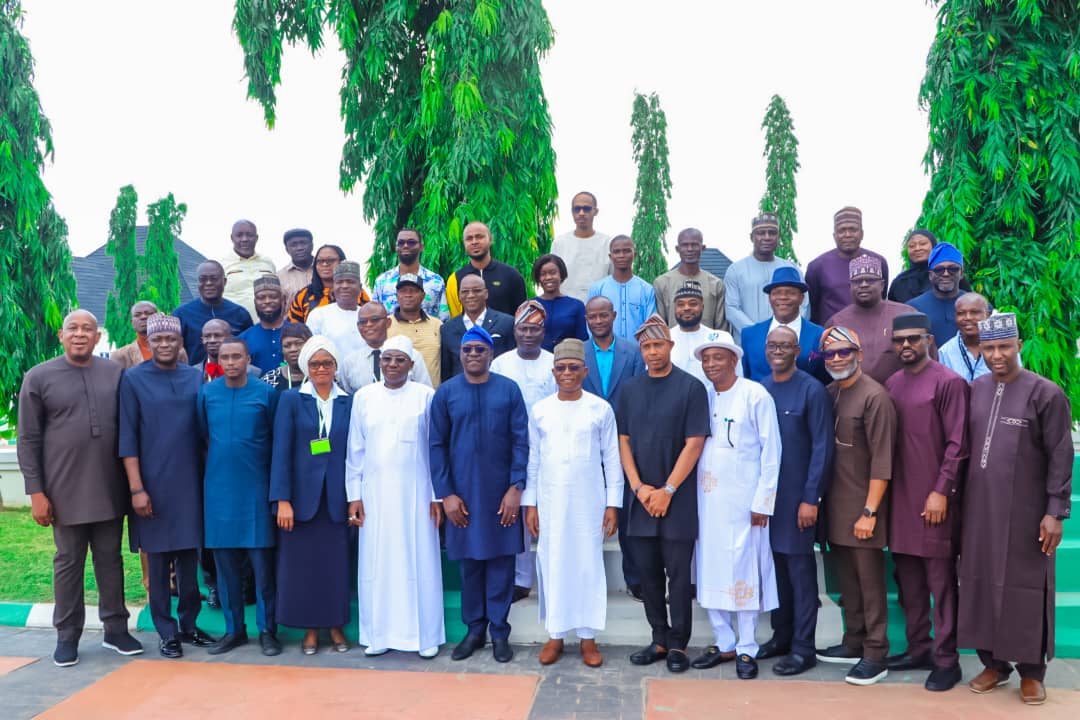
The Kogi State Government has resolved its long-standing dispute with MTN Nigeria over tax remittance and operational compliance.
This is contained in a press release dated May 22, 2025 and signed by the Press Secretary to the Kogi State Deputy Governor, Unubi Emmanuel
The meeting, held Wednesday at the Government House in Lokoja, was initiated by Governor Ahmed Usman Ododo and chaired by his Deputy, Comrade Joel Salifu.
Governor Ododo, through his Deputy called on corporate organizations to adhere to tax obligations and operational protocols in their relationship with the government.
He described recent disagreement with the telecom operator that led to service disruptions in the state as a routine challenge in institutional relationships.
The Governor lauded the role of the NCC in mediating in the impasse and acknowledged the willingness of all parties to respect agreements reached by the parties.
He emphasized that Kogi remains open for business, assuring investors of a conducive environment to operate and thrive.
Ealier, Engr. Abraham Oshadami, who spoke on behalf of the National Communications Commission (NCC) revealed that both MTN Nigeria and the state government have agreed to a mutually acceptable terms of settlement of outstanding debts owed Kogi state government by the telecoms operator.
He commmended Governor Ododo for fostering policies that support businesses to grow, adding that the peaceful resolution of the face-off would boost investor confidence and benefit the people of the state.
The meeting was attended by Hon. Hilary Ojoma Egwudah, Deputy Chief of Staff to the Governor; Alhaji Sule Salihu Enehe, Executive Chairman of the Kogi State Internal Revenue Service (KGIRS); Alhaji Taofik Isah, Director General of the Kogi State Utility, Infrastructure Management and Compliance Agency (KUIMCA); and Engr. Abraham Oshadami, Executive Commissioner for Technical Services at the Nigeria Communication Commission (NCC), among others.
Author Profile
Latest entries
ReligiousDecember 11, 2025Peace Across Faiths: Minna Town Hall Strengthens Nigeria’s Commitment to Religious FreedomOpinionDecember 10, 2025LIES VS FACTS: Revisiting The Aregbesola Years In OsunBusiness and EconomyDecember 9, 2025KGIRS Sensitizes Stakeholders On Implementation Of New Nigeria Tax Act, 2025NewsDecember 9, 2025Insecurity: Ododo Briefs President Tinubu On Proactive Measures Put In Place