
Religious
Bridging Divides: Stakeholders Unite to Tackle Religious Intolerance in Nigeria
Abdulrahman Aliagan,
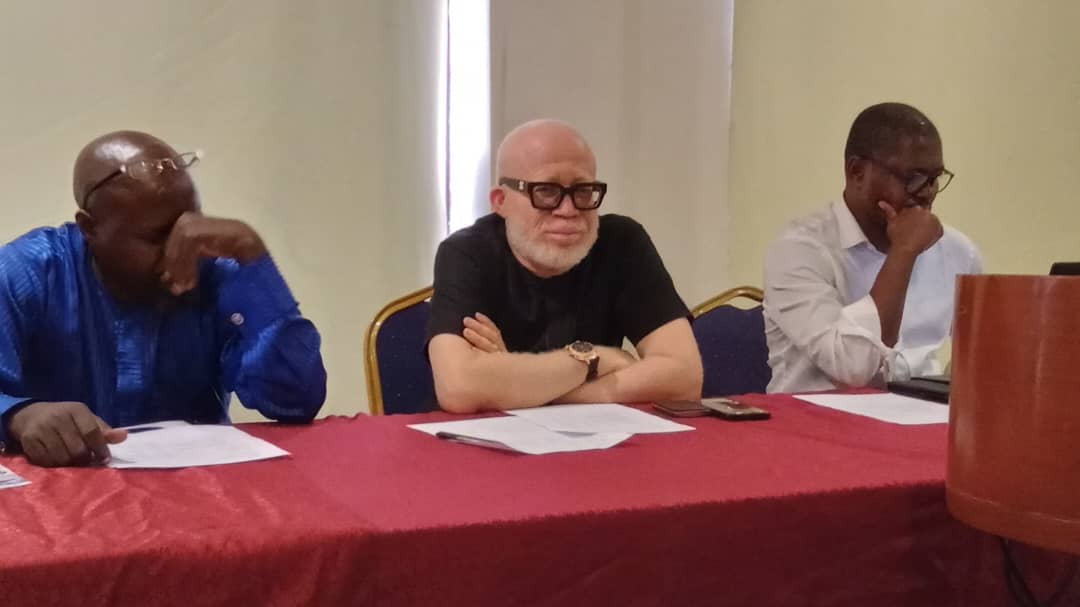
On January 25, 2025, religious leaders, journalists, scholars, and advocates gathered at the Hawthorn Hotel and Suites in Abuja to address one of Nigeria’s most pressing challenges—religious intolerance. adsbygoogle || []).push({}); js"> Convened by the Country Coordinator of Live What You Believe Project Nigeria, Mr. Felix Samari, the Strategic Religious Freedom Roundtable Meeting began promptly at 4:00 PM. With the theme “Live What You Believe: Promoting Freedom of Religion and Belief (FoRB),” the event aimed to foster dialogue, collaboration, and actionable strategies to combat religious intolerance in Nigeria.
Mrs. Elizabeth Duile, who facilitated the introductions, welcomed the 11 attendees to the gathering. Mr. Samari’s opening remarks set the tone, emphasizing the urgent need to address religious intolerance—a crisis that has deepened divisions, fueled violence, and eroded trust across communities in Nigeria. He outlined six critical goals for the meeting, leadership engagement roles, lending voices to promote FoRB, policy formulation inclusive of FoRB principles, Interfaith collaboration, building trust across religious and ethnic divides, and peacebuilding initiatives.
“The essence of this meeting,” Mr. Samari remarked, “is to achieve peace and ensure that every Nigerian practices their religion and beliefs without fear of intimidation.”
Several speakers provided insights into the root causes and solutions to religious intolerance in Nigeria.
Dr. Suleiman Bagerei, a lecturer from Lapai University, delved into defining religious intolerance, underscoring the need to identify what constitutes such intolerance. He highlighted its damaging effects on societal cohesion.
Malam Abdulrahman Aliagan, journalist and National President of the Nigerian Guild of Investigative Journalists, NGIJ traced the origins of religious divisions to colonial-era policies, particularly the indirect rule system. He criticized politicians for exploiting religious differences for political gain and reminisced about Nigeria’s harmonious past.
“In the 80s,” he said, “religious intolerance was almost nonexistent. We lived together, ate together, and played together, irrespective of our beliefs.”
Mal. Habeebu Ibrahim, a staff member of the National Mosque, spoke on the discrimination that pervades contemporary Nigeria, emphasizing how ignorance and stereotypes about other religions perpetuate mistrust.
He pointed out how religious symbols in estates, such as mosques or churches, often reflect the developer’s faith, furthering divisions.
Mrs. Rosita Chinyere addressed how ethnic identity intertwined with religion exacerbates conflicts over resources, land, and power. She emphasized the role of parents in teaching tolerance to children.
Dr. (Mrs) Inya Ode echoed this sentiment, highlighting the multiplier effect of positive family values on society.
Dr. Longi Danbok identified socioeconomic imbalances as a root cause of religious intolerance, arguing that poverty and unemployment create frustrations that extremists exploit.
Mr. Lisam Manji Lawan called out weak law enforcement and judicial processes, which allow perpetrators of religious violence to act with impunity. “Offenders should be treated as criminals,” he declared.
Barrister Rex Erameh, the Abuja Chapter’s Chairman of the Albino Foundation, citing Section 38 of Nigeria’s 1999 Constitution, underscored the constitutional guarantee of religious freedom. He stressed the need for policies that ensure equal treatment of all religious groups and uphold the constitutional prohibition of a state religion.
Mal. Alkasim Muhammed Zangina proposed a holistic approach to addressing religious intolerance, urging the political class to adopt strategic frameworks.
After robust deliberations, the participants reached a consensus on actionable steps to curb religious intolerance and promote freedom of religion and belief:
1. Promoting Interfaith Dialogue: Building understanding and respect through conversations among religious leaders and communities.
2. Educational Reform: Incorporating teachings on religious tolerance and peaceful coexistence in school curricula.
3. Rule of Law: Ensuring justice for perpetrators of religious violence to deter future incidents.
4. Addressing Socioeconomic Inequalities: Reducing poverty and unemployment to mitigate frustration and prevent exploitation by extremists.
5. Media Sensitization: Leveraging media platforms to promote tolerance and discourage biased portrayals of religious groups.
6. Empowering Religious Leaders: Training leaders to preach unity and discourage divisive rhetoric.
7. Grassroots Engagement: Establishing community peace committees to mediate conflicts.
Additionally, measures to bolster FoRB included creating inclusive policies, celebrating diversity, and fostering international partnerships to support advocacy programs.
A key moment during the meeting was the screening of Unusual Partners, a documentary highlighting the impact of FoRB initiatives in Kaduna State. The film illustrated how interfaith collaboration can bridge divides and promote peace.
Mr. Felix Samari unveiled a proposal to establish the Nigerian Forum for Religious Freedom Advocacy (NicFORM). The platform will focus on awareness campaigns, legal advocacy, and fostering partnerships to strengthen FoRB in Nigeria.
The meeting concluded with a dinner, allowing participants to network and reflect on the discussions. The conveners and attendees expressed optimism that the strategies outlined would lay the groundwork for a more peaceful and tolerant Nigeria.
As Nigeria grapples with the challenges of religious intolerance, this Strategic Roundtable Meeting serves as a beacon of hope, demonstrating that dialogue, education, and collaboration are powerful tools for building a unified and prosperous society.
Author Profile

Latest entries
 PoliticsMarch 5, 2026Ajia Congratulates Kwara APC Exco , Gov. AbdulRaham Others Over Successful State Congress
 NewsMarch 3, 2026Ajia: Tunji Disu’s Leadership Offers Hope for Tackling Insecurity
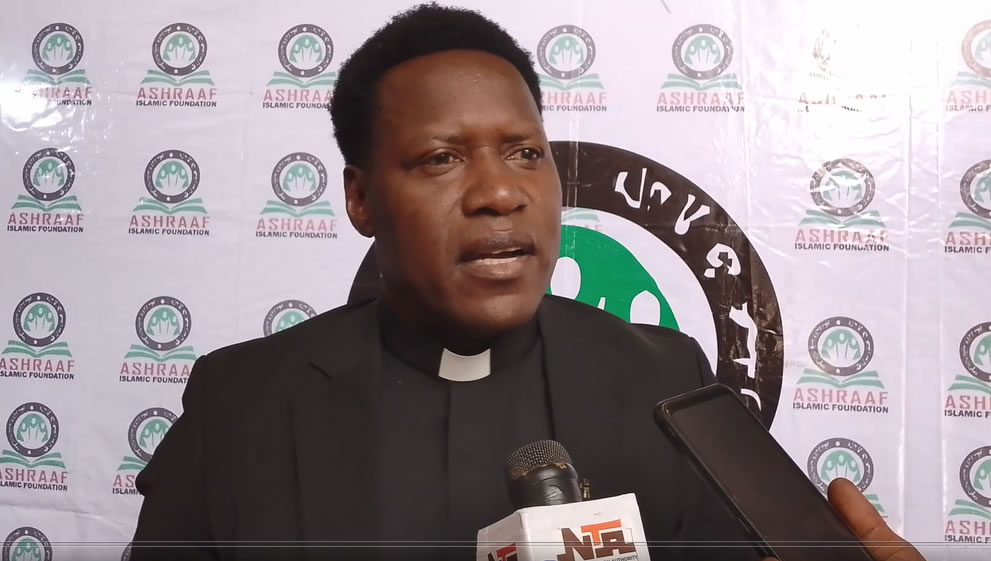 NewsMarch 3, 2026Rev. Fr. Barkindo of the Kukah Centres highlights 2 points to tackle insecurity, at the Ashraaf Islamic Foundation Centre Ramadan Lecture
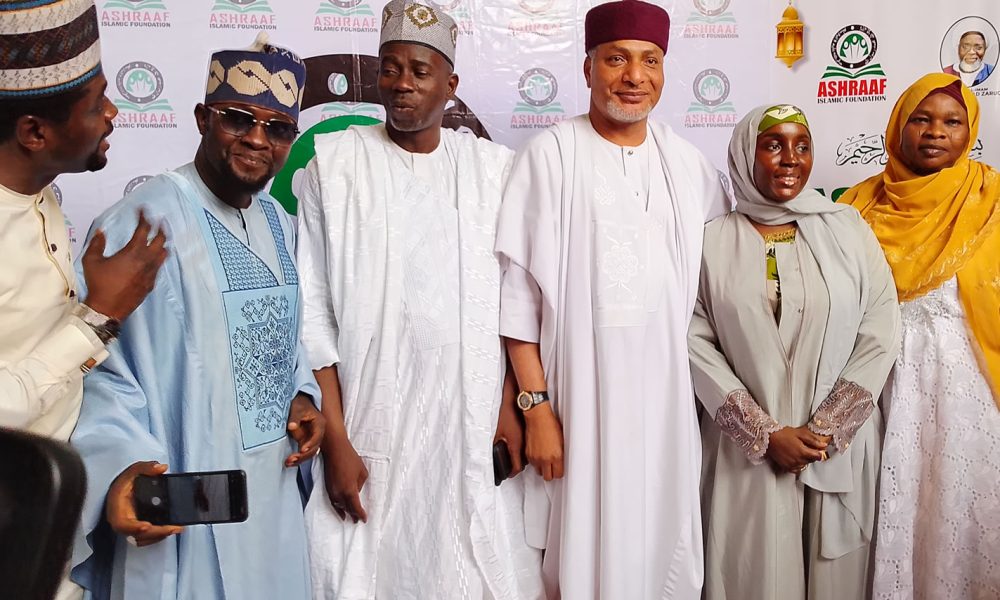 NewsMarch 3, 2026Ashraaf Islamic Foundation Tackles Insecurity with 9th Annual Ramadan Lecture

Religious
Faith Must Shape Nigeria’s Renewal, Says CSN Secretary General in New Year Message
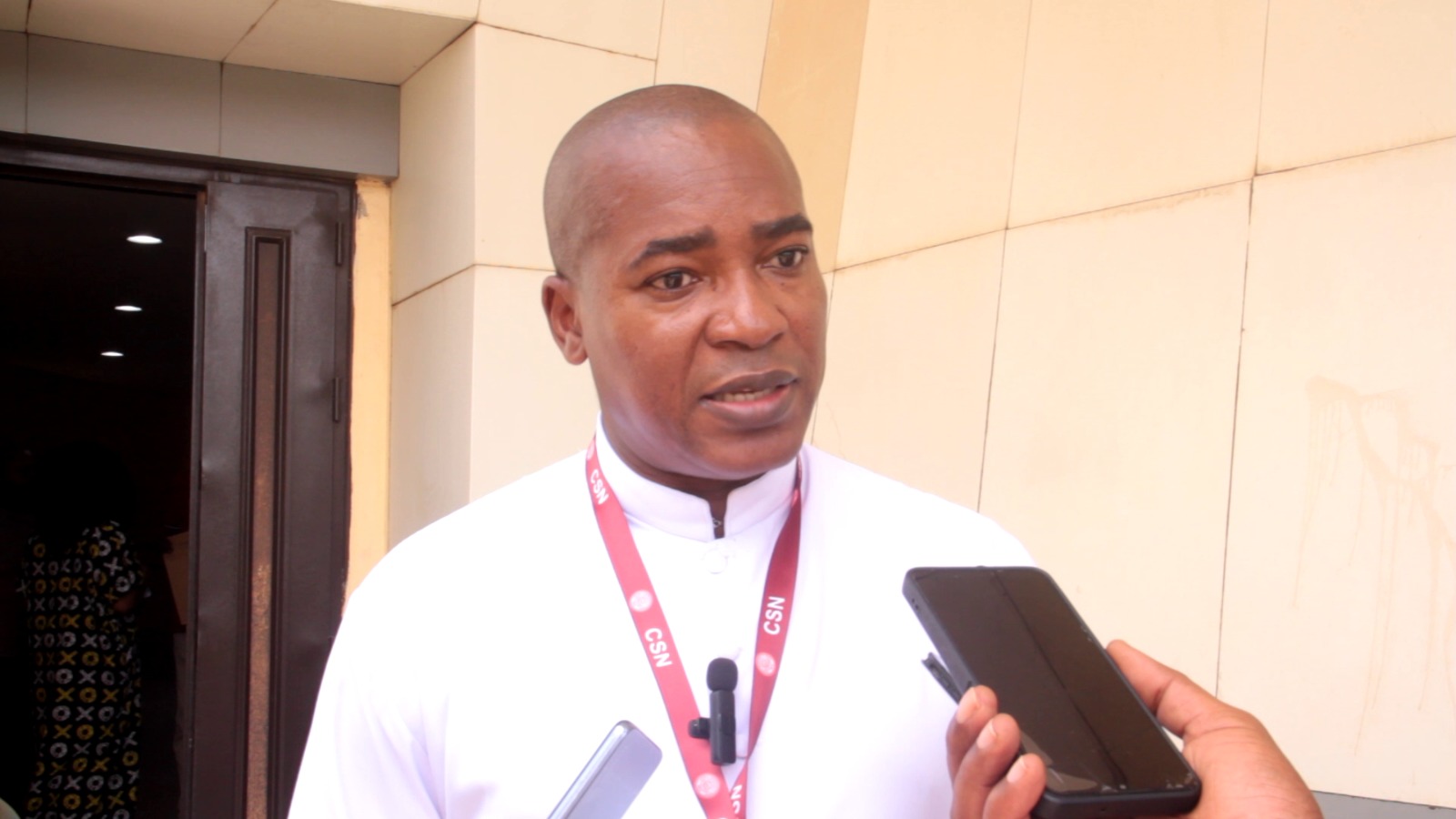
By Abah Anthony John
The Secretary General of the Catholic Secretariat of Nigeria (CSN), Rev. Fr. Michael Banjo, has called on Nigerians to allow their faith shape personal conduct, civic responsibility, and national renewal, stressing that genuine transformation of the country must begin with renewed consciences rooted in God. js">
In his New Year message titled “Faith at the Service of the Nation”, released on January 1, 2026, Fr. Banjo reflected on the Christian understanding of time, describing it not merely as a sequence of days but as “the sacred space in which God acts for our salvation.”
He reminded Nigerians that through the Incarnation, when Christ entered human history, time itself was redeemed and given meaning.“Whatever resolutions we may make at the beginning of this year, the most fundamental must be the resolve never to live our time without God at its centre,” he said, noting that time “only finds its meaning when it is lived with God within it.”
The Catholic priest explained that Christmas fundamentally changed humanity’s identity, moving believers “from slavery to sonship.”
According to him, through Christ’s life, death and resurrection, Christians became sons and daughters of God, a new identity that carries concrete responsibilities in daily life.
“Faith that does not shape life has not yet been fully received,” he said.
Fr. Banjo emphasized that living as children of God requires courage and responsibility, especially in challenging times.
He said this identity demands a life free from fear and panic, grounded in the assurance of God’s abiding presence.
“The child of God lives without panic, because God is never absent,” he noted, urging Nigerians to recognize one another as brothers and sisters and to reject divisions based on tribe, religion or social status.
He also underscored the importance of family life, describing marriage as “a covenant of love and fidelity” marked by patience, forgiveness and mutual respect.
According to him, giving God a place in daily life through prayer, charity, honest work and care for family is essential, because divine sonship “is not an idea to admire, but a life to be lived.”
Turning to national life, the CSN Secretary General said the identity of Nigerians as children of God places a moral obligation on them as citizens.
He stressed that loving Nigeria goes beyond criticizing its failures and requires personal commitment to what is right.
“Nations are renewed when consciences are renewed,” he said, adding that renewal does not begin only in government offices but in the daily choices of ordinary citizens.
Fr. Banjo called for honesty, fairness and respect in the use of public resources, warning that the abuse of roads, schools, hospitals and public utilities reflects a deeper neglect of conscience.
“What we destroy in public space reveals what we neglect in conscience,” he said.
He also urged Nigerians to prepare responsibly for the 2027 general elections, advising citizens to make choices guided by truth, conscience and the common good rather than by money, ethnic loyalty or divisive rhetoric.
He challenged public servants to reject bribery and abuse of office, while calling on traders, artisans and workers to act with integrity, reminding them that their labour is ultimately offered to God.
Highlighting the role of families and education, Fr. Banjo described the family as the “basic building block of society,” noting that the strength of a nation is shaped in the quality of its homes.
He urged parents and teachers to see their role as a “sacred trust,” forming consciences through faith, discipline, honesty and hard work. Quoting Proverbs 22:6, he said proper formation of children quietly but decisively shapes the future of society.
He paid special attention to young people, warning that youth is not merely preparation for the future but a decisive moment of responsibility.
He urged them to choose discipline over recklessness and to reject drugs, crime and other destructive paths that promise quick freedom but end in loss. “A disciplined youth is a nation’s quiet revolution,” he said.
Acknowledging Nigeria’s difficulties in the past year, including economic hardship, insecurity and social tension, Fr. Banjo said the New Year itself is a sign of hope.
However, he cautioned that such hope must be active and responsible. “Hope becomes credible when it is translated into responsibility,” he said.
He concluded by praying for God’s strength and guidance, expressing confidence that if Nigerians live authentically as sons and daughters of God, the New Year can become “a turning point in the renewal of our nation,” marked by justice, peace and hope.
Author Profile
Latest entries
PoliticsMarch 5, 2026Ajia Congratulates Kwara APC Exco , Gov. AbdulRaham Others Over Successful State CongressNewsMarch 3, 2026Ajia: Tunji Disu’s Leadership Offers Hope for Tackling InsecurityNewsMarch 3, 2026Rev. Fr. Barkindo of the Kukah Centres highlights 2 points to tackle insecurity, at the Ashraaf Islamic Foundation Centre Ramadan LectureNewsMarch 3, 2026Ashraaf Islamic Foundation Tackles Insecurity with 9th Annual Ramadan Lecture
News
Gov Ododo Reaffirms Commitment To Religious Harmony, Peace, Unity
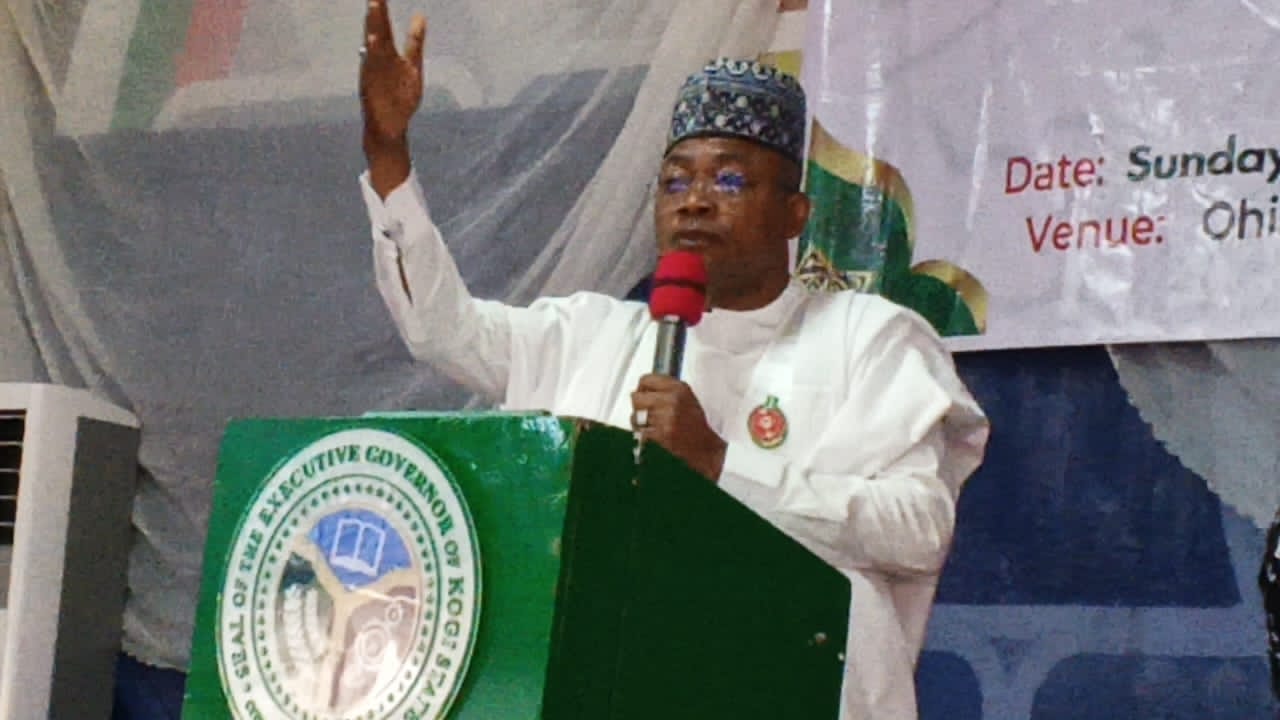
From Joseph Amedu, Lokoja
Kogi State Governor, Alhaji Ahmed Usman Ododo, has reaffirmed his administration’s unwavering commitment to fostering peace, unity, and mutual coexistence across the three senatorial districts of the state. adsbygoogle || []).push({}); js">
The Governor gave the assurance while addressing participants at a One-Day Peace Conference organized by the Ebira Muslims Peace Initiative in Okene.
The conference, themed “Essence of Peace and Unity Among the Muslim Ummah,” was held at Ohinoyi’s Palace in Okene Local Government Area.
The meeting brought together Islamic scholars, community leaders, youth groups, and stakeholders from across Kogi State to deliberate on peaceful coexistence and collective responsibility in strengthening societal harmony.
Governor Ododo commended the organizers for championing a platform that reinforces unity within the Muslim Ummah while also fostering tolerance across ethnic and religious divides.
He emphasized that sustainable development is impossible without peace, stating that Kogi State has earned recognition as a model of peaceful coexistence through the mutual efforts of citizens and the government’s proactive peace-building strategies.
He noted that No society grows in an environment of hatred and division. Peace is the foundation on which we can build prosperity, and unity is the bond that keeps us together as one people.
He further highlighted the role of government and religious leadership in securing long-term peace, noting that security is not achieved by force alone but through deliberate relationship-building and inclusive engagement.
“Our major responsibility is to provide security for our people, and in providing that security you must ensure unity of the land. One of the ways of guaranteeing peace and unity is by deploying non-kinetic methods of resolving issues,” he said.
“Today we have come to meet with our people and the Islamic leaders to engage them constructively on the need for us to give peace a chance, and hence the unity of our state, our land, and our people, so that we can all sleep with our two eyes closed.”
“I have just finished a meeting with all Islamic Scholars in Ebiraland and the Kogi Central Senatorial District, of course, we are working on that of the West and the East, then the Christian and Traditional aspect as well. To ensure peace, you must engage all critical stakeholders, and the Chief Imams, Sheikhs, and Ustaz are leaders the people believe in Islam, so we must work with them.”
“We are happy that we are all ready to give peace a chance in Kogi State.”
Earlier in his goodwill message, Chairman of the Ebira Muslims Peace Initiative Committee, Ustaz Ismail Obosi Suleiman, stressed the importance of unity among various Islamic sects across Ebiraland. He emphasized that while disagreements are natural, hostility is a choice, citing Qur’an 3:103: “Hold fast, all together, to the rope of Allah, and do not be divided.”
Suleiman called for inter-sect dialogue, focus on shared values, and rejection of political manipulation that seeks to worsen divisions. He urged religious leaders to model respectful engagement and promote authentic Islamic teachings to help dispel misconceptions among followers.
He reaffirmed that peace remains the foundation for a prosperous Ebiraland and called on all groups to work collectively toward sustaining unity.
The One-Day Peace Conference concluded with a renewed commitment by Islamic scholars, government representatives, and community stakeholders to strengthen peaceful coexistence and ensure that Kogi State continues to thrive as a united society.
Other dignitaries who shared their views on peaceful coexistence are the Ohinoyi of Ebira Land, His Royal Majesty Alh Ahmed Tijani Muhammed Anaje and the provost of National Defence College Professor Adam Okene Ahmed
Author Profile
Latest entries
PoliticsMarch 5, 2026Ajia Congratulates Kwara APC Exco , Gov. AbdulRaham Others Over Successful State CongressNewsMarch 3, 2026Ajia: Tunji Disu’s Leadership Offers Hope for Tackling InsecurityNewsMarch 3, 2026Rev. Fr. Barkindo of the Kukah Centres highlights 2 points to tackle insecurity, at the Ashraaf Islamic Foundation Centre Ramadan LectureNewsMarch 3, 2026Ashraaf Islamic Foundation Tackles Insecurity with 9th Annual Ramadan Lecture
News
Yuletide: Oruma Calls on Christian Faithfulls to Dedicate the Season to Prayers for Nigeria
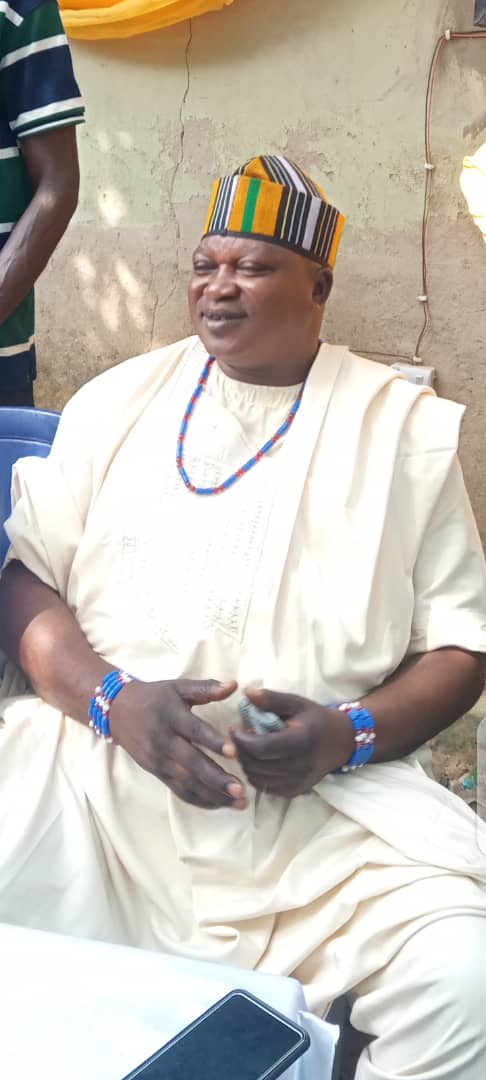
By AbdulRahman Obaje
The National President Igala Centre for Development Advocate, Prince Musa Oruma calls on Igala Sons and daughters to inclulcate love and unity as a recipe for progress of Igala Nations while dedicate this festivity period to prayer for meaningful progress in Igala Nation, and Nigeria as a whole. adsbygoogle || []).push({});
Oruma made the call in a Christmas greetings message he personally signed and circulated.
He admonished especially the Christian faithful to dedicate the season to prayers for Nigeria and Nigerians, asking God Almighty to intervene positively in the affairs of the nation and to grant the country lasting peace and stability in the face of insecurity.
He further told Christians to also remember our leaders at all levels in their prayers, seeking divine guidance, wisdom, and courage to enable them to govern with fairness, compassion, and a sincere commitment to national unity and development.
Oruma wished Christians in Kogi State, Nigeiria and across the world a joyous Christmas celebration while praying that the season would bring renewed hope, strong faith, peace and abundant blessings to families nationwide.
Author Profile
- Prince Abdulrahman Obaje is a Media, Information and Computer Technology Consultant. A quintessential Journalist, online marketer, social media strategist, Mathematician and Computer Scientist is based in Abuja, Nigeria. He is the Founder and the Publisher of The Informavores!. You can reach me on +234 805 939 5252 or send i-witness report directly to me on news@informavores.com.ng.
Latest entries
- PoliticsMarch 5, 2026Ajia Congratulates Kwara APC Exco , Gov. AbdulRaham Others Over Successful State Congress
- NewsMarch 3, 2026Ajia: Tunji Disu’s Leadership Offers Hope for Tackling Insecurity
- NewsMarch 3, 2026Rev. Fr. Barkindo of the Kukah Centres highlights 2 points to tackle insecurity, at the Ashraaf Islamic Foundation Centre Ramadan Lecture
- NewsMarch 3, 2026Ashraaf Islamic Foundation Tackles Insecurity with 9th Annual Ramadan Lecture