
Business and Economy
Reps Passes 2022 Budget of N17.1 Trillion
Ogechi Okorie
The House of Representatives on Tuesday passed N17,126,873,917,692 as 2022 budget.
The budget was passed by the Green Chamber following the presentation of report by the Chairman, House Committee on Appropriation, Hon. adsbygoogle || []).push({}); js">

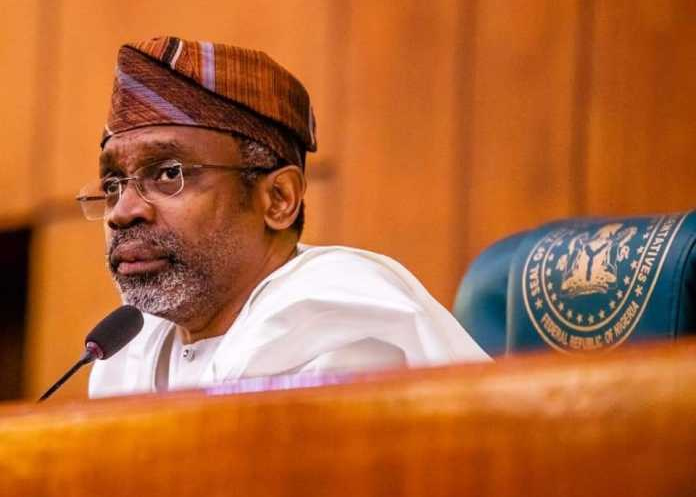
The report was considered at the Committee of Supply presided over by the Speaker, Hon. Femi Gbajabiamila and his deputy, Hon. Idris Wase.
According to the Bill passed by the lawmakers authorises the issue from the Consolidated Revenue Fund of the Federation the total sum of N17,126,873,917,692 (Seventeen Trillion, One Hundred and Twenty-Six Billion, Eight Hundred and Seventy-Three Million, Nine Hundred and Seventeen Thousand, Six Hundred and Ninety-Two Naira) only.
N869,667,187,542 (Eight Hundred and Sixty-Nine Billion, Six Hundred and Sixty-Seven Million, One Hundred and Eighty-Seven Thousand, Five Hundred and Forty-Two Naira) only is for Statutory Transfers while N3,879,952,981,550 (Three Trillion, Eight Hundred and Seventy-Nine Billion, Nine Hundred and Fifty-Two Million, Nine Hundred and Eighty-One Thousand, Five Hundred and Fifty Naira) only is for Debt Service.
N6,909,849,788,737 (Six Trillion, Nine Hundred and Nine Billion, Eight Hundred and Forty-Nine Million, Seven Hundred and Eighty-Eight Thousand, Seven Hundred and Thirty-Seven Naira) only is for Recurrent (Non-Debt) Expenditure while the sum of N5,467,403,959,863 (Five Trillion, Four Hundred and Sixty-Seven Billion, Four Hundred and Three Million, Nine Hundred and Fifty-Nine Thousand, Eight Hundred and Sixty-Three Naira) only is for contribution to the Development Fund for Capital Expenditure for the year ending on the 31st day of December, 2022.
According to Chairman committee on Appropriation Hon. Muktar Betara, the report was a result of work done on the submission of estimates by the president.
He observed that the 2022 budget would be the last to be fully implemented by the current administration.
According to him, the report took cognizance of the benchmark estimates and the financial/economic realities of current times.
He earlier urged members to support and approve the recommendations in the spirit of the harmonious execution of projects for the good of Nigeria.
The report was considered clause by clause and passed.
The Green Chamber adjourned plenary till Tuesday, January 18th, 2022 following a motion for adjournment moved by the Leader of the House, Hon. Alhassan Ado-Doguwa
Author Profile
Latest entries
 InterviewsJuly 22, 2023Why I seek Urgent Intervention on Karim and Wurkin Ethnic Crisis – Hon Lauya
 EducationJune 26, 2023Why I Support Fuel Subsidy Removal, How State Police Can Work – University Don
 NewsSeptember 2, 2022Regulations 2019: NAPTIP Extends 60 Days Ultimatum Issued To Private Shelters And Rehabilitation Homes
- NewsJune 26, 2022Hon Buba Felicitates with Speaker Gbajabiamila at 60


Business and Economy
KGIRS Sensitizes Stakeholders On Implementation Of New Nigeria Tax Act, 2025

From Joseph Amedu, Lokoja
As the new Nigeria’s Tax Act 2025, becomes operational come January, 2026, the Kogi State Internal Revenue Service (KGIRS) on Tuesday, commenced Stakeholders’ Engagement towards full implementation of the law.
adsbygoogle || []).push({});
js">
Speaking at the one day Sensitization Programme held at the Lugard House, Lokoja, the Executive Chairman of the KGIRS, Alhaji Sule Salihu Enehe, said that the commencement of the Nigeria’s Tax Act, January next year, is in line with the Federal Government’s tax reform policy aimed at boosting tax administration.
“The Stakeholders’ Engagement is targeted at ensuring better understanding of the Nigeria Tax Act ahead of its full implementation January next year”
He explained that the operation of multiple tax administration law was condensed into one now called “Nigeria Tax Act 2025” to enhance transparency and efficiency in the system.
He also explained that the new law was put in place to avoid the problem of double taxation and duplication in the system.
Alhaji Enehe therefore, urged taxable citizens and critical stakeholders in tax administration sector to embrace the new law in support of President Bola Ahmed Tinubu’s tax reform policy which he said would go a long way in stabilising the nation’s dwindling economy.
The Special Adviser to Governor Ahmed Usman Ododo on revenue generation, Dr. Nasir Rahman Ichanyi, in his speech, commended KGIRS for organising the Stakeholders’ Engagement Forum which has provided avenue for robust dialogue and collaboration for comprehensive understanding of the Nigeria Tax Act 2025.
He described the Stakeholders’ Engagement as timely and proactive measures put in place by KGIRS to achieve the desired success in the implementation of the new law.
Dr. Ichanyi promised that Kogi State Government would not relent in support of President Tinubu’s tax reform policy which he said would enhance the nation’s economy.
Author Profile

Latest entries
 ReligiousDecember 11, 2025Peace Across Faiths: Minna Town Hall Strengthens Nigeria’s Commitment to Religious Freedom
 OpinionDecember 10, 2025LIES VS FACTS: Revisiting The Aregbesola Years In OsunBusiness and EconomyDecember 9, 2025KGIRS Sensitizes Stakeholders On Implementation Of New Nigeria Tax Act, 2025
 NewsDecember 9, 2025Insecurity: Ododo Briefs President Tinubu On Proactive Measures Put In Place
Business and Economy
Revenue Service Tasks Kogi Assembly On Domestication Of Nigeria Tax Act
From Joseph Amedu, Lokoja
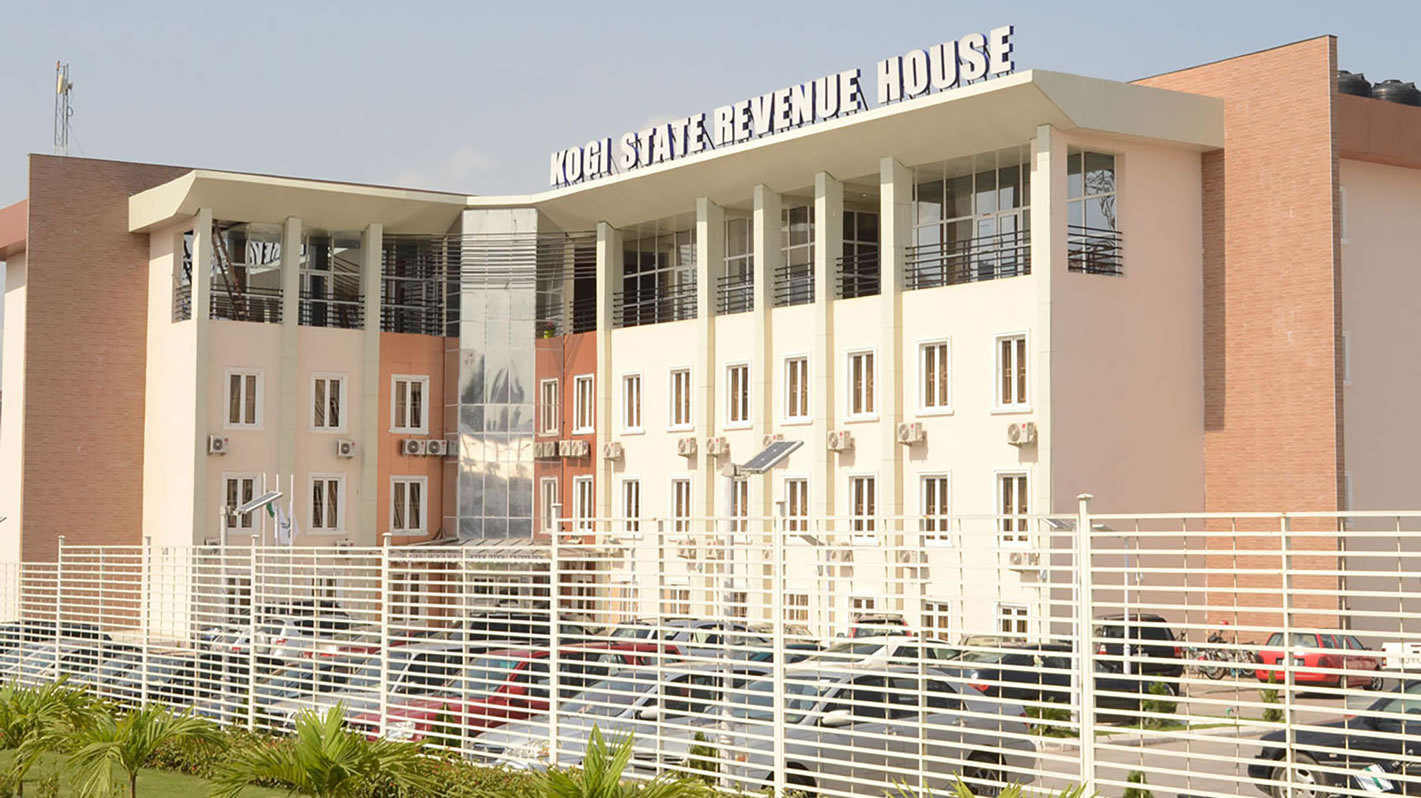
Kogi State Internal Revenue Service (KGIRS) has asked the State House of Assembly to domesticate the Nigeria Tax Act and Nigeria Tax Administration Act, for easy implementation in the state.
adsbygoogle || []).push({});
The Executive Chairman of the Service, Dr Salihu Enehe who led his team to the Assembly Complex in Lokoja said the awareness meeting with the Assembly has become imperative.
He described the Nigeria Tax Act as a compressed compendium of various tax laws hitherto operating in the country into a single document with a view to addressing issues of multiple taxation and promotion of transparency in tax administration in the country.
He commended President Bola Ahmed Tinubu for taking the bold step on embarking on the tax reforms to enable harmony in the tax ecosystem.
Enehe said that implementation of the new tax laws, scheduled to take effect from January, 2026, would enhance transparency in administration and transactions, investments and proffer measures against tax evasions.
“On 26th of June this year, the President of the Republic of Nigeria signed four laws, and these four laws have caused disruptions going forward into the future, in terms of tax and Administration”, he said.
“With these disruptions come a great opportunity and great threat. A great opportunity for those who are ready and prepared to abide and adhere to the laws but a great threat for those want to remain in the past and resistant to change.”
According to him, the four laws include the Nigeria Tax Act, the Nigeria Tax Administration Act, the Joint Revenue Board Establishment Act, and the Nigeria Revenue Service Establishment Act.
He noted that implementation of the Nigeria Tax Act and the Nigeria Tax Administration Act operational at states level would be fair to low income earners, reduction for middle level and tough on high income earners.
The Executive Chairman pointed out that under the new tax laws, which would be operational from January, 2026, people earning gross annual income of less than N1.3 million would be exempted from tax while middle level earners of between N1.3 million and N3 million would have their taxes reduced.
He further explained that higher gross annual income above N3 million, would attract higher taxes meaning that “Big men” and business organisations would pay more.
A Consultant with the KGIRS, Barrister Henry Ojuola in his remark, urged the House not bother with making new laws on the matter even though the Acts provides that they could enact or implement.
Barrister Ojuola, a former member of the Assembly however advised the Assembly and the Service to rely on the Acts in their implementation saying Chapter 5 of the Tax Administration Act has specified many offences as well as punishments for the Tax Tribunal to handle.
“Ensure your Tax Tribunal is effective by ensuring that “Unpurchaseable persons” are members. Ensure that the people you send to collect taxes are not dishonest Nigerians’, Legal Practitioner advised.
In his closing remarks, Chairman of the House standing Committee on Finance, Hon. Akus Lawal appreciate the KGIRS Chairman and his team for initiating the engagement.
The Lawmaker expressed optimism that in no time Kogi would be rated as the number three state among the 19 Northern states After Kano, Kaduna, Kogi State and number one in North-Central in terms of Internally Generated Revenue drive.
Hon. Lawal, representing Ankpa I Constituency, said the legislators were now better informed on the issue of revenue and tax administration in Nigeria and are looking forward to receiving the two tax laws to “do the needful”.
Author Profile
Latest entries
ReligiousDecember 11, 2025Peace Across Faiths: Minna Town Hall Strengthens Nigeria’s Commitment to Religious FreedomOpinionDecember 10, 2025LIES VS FACTS: Revisiting The Aregbesola Years In OsunBusiness and EconomyDecember 9, 2025KGIRS Sensitizes Stakeholders On Implementation Of New Nigeria Tax Act, 2025NewsDecember 9, 2025Insecurity: Ododo Briefs President Tinubu On Proactive Measures Put In Place
Business and Economy
Ododo Unveils N820.49 Billion 2026 Draft Budget
From Joseph Amedu, Lokoja
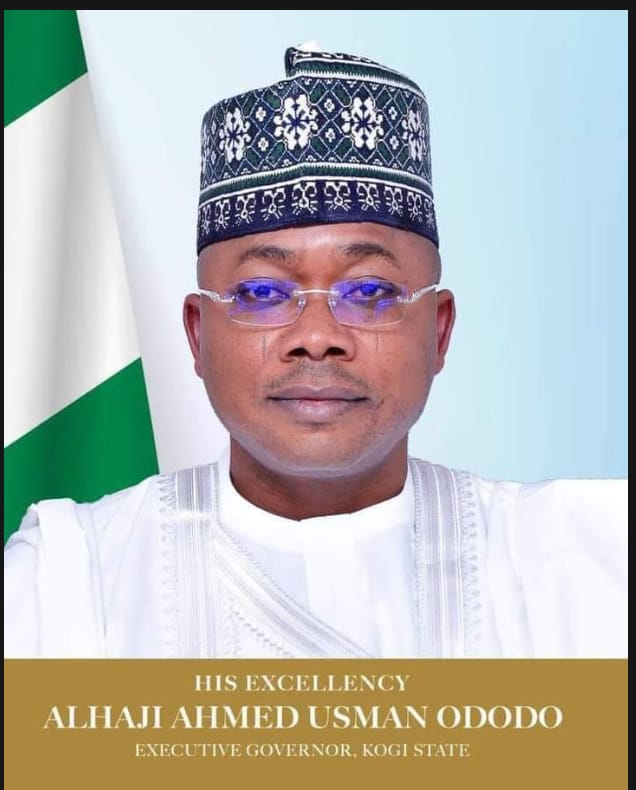
Governor Ahmed Usman Ododo of Kogi statte has unveiled the 2026 draft budget, titled “Budget of Shared Prosperity,” totaling N820.49 billion. The announcement was made following a meeting of the State Executive Council in Lokoja.
adsbygoogle || []).push({});
com/pagead/js/adsbygoogle.js">
The budget represents a 35.7% increase over the 2025 revised budget, signaling the state government’s focus on sustainable growth, inclusive development, and enhanced service delivery.
Commissioner for Finance, Budget, and Economic Planning, Asiwaju Asiru Idris, briefed journalists after the council meeting, highlighting that the 2026 budget is designed to strengthen internal revenue, improve debt recovery, foster a business-friendly environment, and deepen public-private partnerships.
“The 2026 budget proposals reflect a robust and balanced financial strategy emphasizing enhanced revenue generation, strategic expenditure control, and a strong commitment to capital investment,” Idris said.
He added that the significant rise in both recurrent and capital expenditure underscores the government’s determination to expand infrastructure and improve public service delivery. The total estimated revenue and expenditure for the 2026 draft budget is N820,490,585,443, reflecting a fully balanced fiscal plan.
The meeting also addressed other critical issues, including access to clean water, road safety, and land administration reforms. Commissioner for Information and Communication, Kingsley Fanwo, noted that Governor Ododo directed all commissioners to sink three boreholes each in their respective local government areas and tasked the council with taking over land consent authority to curb fraudulent transactions.
The inclusive meeting, which included former commissioners, reflected Governor Ododo’s commitment to unity and collective progress. Former Commissioner Hon. Salisu Sani Ogu praised the governor’s leadership style, saying, “He has shown a desire to carry everyone along and build on the foundation laid since 2016.”
The 2026 draft budget aligns with the state government’s long-term goals of infrastructure expansion, improved public services, and economic diversification, aiming to create a more prosperous environment for Kogi residents.
Author Profile
Latest entries
ReligiousDecember 11, 2025Peace Across Faiths: Minna Town Hall Strengthens Nigeria’s Commitment to Religious FreedomOpinionDecember 10, 2025LIES VS FACTS: Revisiting The Aregbesola Years In OsunBusiness and EconomyDecember 9, 2025KGIRS Sensitizes Stakeholders On Implementation Of New Nigeria Tax Act, 2025NewsDecember 9, 2025Insecurity: Ododo Briefs President Tinubu On Proactive Measures Put In Place