
News
The Flying Coffins of Nigeria Armed Forces, Which Way Forward?
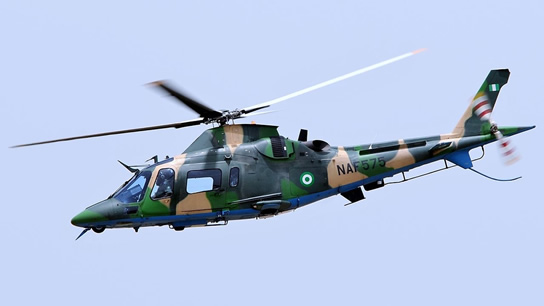
By Moses Idika
All over the world, the Air Force is the power base of the military, modern warfare is fought in the air, the land forces merely “clear the debris.”
The ongoing Israel and Palestine Conflict is a testimony of what modern warfare looks like. adsbygoogle || []).push({}); googlesyndication.com/pagead/js/adsbygoogle.js"> Israeli military has recorded very huge and significant “victory” over Hamas terrorist group without deploying soldiers on foot into the Palestine territory simply because of strong Air Force backed by equally strong land troops and especially advanced technology.
In Nigeria, however, our Air Force is the weakest link of the armed forces.
It is unexplainable that within three months the Nigeria Air Force has lost three of its planes. More confounding is the fact that Nigerian authorities are clueless as to why the situation persists.
Nigeria government in the last six years has been in frenzy with regards to “acquiring” new technologies and especially aircrafts for the country, yet we keep losing precious airmen as if it was normal.
Taking stock of the last three air disasters involving Nigeria Military carriers reveals an unfortunate pattern enmeshed in an unfeeling corrupt cabal within a government that obvious gives no hoot if all the plane in its fleet crashes provided the Presidential Jet in unaffected.
On Friday night, the nation’s Chief of Army Staff (COAS), Lt. Gen. Ibrahim Attahiru and 10 other military personnel perished at the Kaduna International Airport in an air crash involving a NAF Beachcraft 350 aircraft which burst into flames after it crash landed just few metres to the runaway.
According to the Spokesman of the Nigerian Air Force, the “air crash involving a Nigerian Air Force aircraft occurred this evening near the Kaduna International Airport. The immediate cause of the crash is still being ascertained. More details to follow soon,” the same story that has always been told each time the recurrent decimal takes place.
The latest crash is the third in the unfortunate series of crashes involving NAF planes with no convincing explanation as to what happened and how future crashes could be avoided.
On Sunday, February 21, 2021, another NAF Beechcraft KingAir B350i aircraft crash landed just before the runway of the Nnamdi Azikiwe International Airport, Abuja killing all seven NAF personnel onboard. The crew of the ill-fated plane was said to had earlier reported engine failure.
In yet another unfortunate and perhaps the most painful accident involving NAF aircraft, on Wednesday, March 31, 2021, an Alpha-Jet aircraft that was in the battlefront in the endless war against Boko Haram terrorists and the Islamic State West Africa Province (ISWAP) was lost and till today nothing has been heard about what happened to that jet or its crew.
While the insurgents claimed responsibility for downing the fighter jet, the Nigerian military denied the “shutdown” story, but has been unable to give a credible alternative explanation to what happened to aircraft or its tow pilots.
Just within three months a total of 20 Nigeria military personnel have lost their lives to air accidents that cannot be explained.
Nigeria’s Vice President, Yemi Osinbajo on two occasions escaped death by whiskers when his chopper went down. First in June 2017 when the presidential chopper crashed after take-off in Gwagwalada town in the FCT and on February 2019 when the VP’s chopper once again went down in Kabba, a sleepy town in Kogi State. The VP is the real cat with nine lives obviously.
The above sad fortune of the Nigeria armed forces has led to questions being asked about the safety of military aviation in the country, as civil aviation has recorded no crash involving commercial flights in about a decade now, thankfully.
What could be responsible?
On Wednesday August 30, 2017, the Nigerian Accident Investigation Bureau (AIB) released its report on the Nigeria Police Helicopter that crashed in a village near Jos, Plateau State that killed the then newly promoted Deputy Inspector General of Police, Haruna John and three other police personnel including the pilot of the chopper.
The report of the AIB was startling as it was revealing. That report gave insight into what may be happening to the Nigeria military as far as the recurring air crashes involving its aircrafts is concerned.
According to the details of the AIB’s report presented by its Commissioner, Akin Olateru at the bureau’s headquarters at Murtala Muhammed International Airport in Lagos, the two pilots, Assistant Commissioner of Police, Garba Yelwa and Alexander Pwol-ja (co-pilot) that were in charge of the helicopter had no business flying the chopper as at the time it crashed.
Both pilots were not qualified to man the aircraft; they had no adequate training on the aircraft in line with global aviation rules.
According to the AIB report, Yelwa’s medical certificate and simulator recurrency had expired at the time of the crash, while the co-pilot was not equally type-rated on the helicopter brand, meaning that he did not have the proper certification to pilot the helicopter. It beats all imaginations that the Nigeria armed forces put two of its personnel with no adequate training or know-how of a plane on the cockpit, more so as the bird was to ferry one of its most senior officers.
Also, the report revealed that the engineer that released the helicopter prior to the flight was similarly unqualified!
The report revealed that the engineer did not have the necessary type-training and type-rating for the aircraft type he released to embark on the journey that eventually claimed the lives of the DIG, his orderly and the two unqualified flight crew. Imagine calling a radio technician to fix your car.
Nine years after that watershed AIB report, military aviation in Nigeria seem to have taken a deeper dip into chaos.
Despite the fact that the AIB, in its safety recommendations, called on the Nigeria Police Force, and by extension the military to provide the proper funding, to carter for proper training of its personnel and to provide a conducive working environment, and develop and implement a robust training program for its technical and operational personnel with adequate supervision and approved equipment to enhance safety, the question remains which part of that report was not clear to the authorities or have been implemented by our armed forces?
From all indications, the situation has obviously worsened. If not why would the Nigeria military lose 20 of its bright stars within a space of three months in air crashes and nobody is taking responsibility?
It is only in Nigeria that military and police vehicles breakdown on the roads with reckless abandon!
They have started treating our military aircrafts like patrol vans.
I can imagine the people in charge of maintenance of these aircrafts wondering while the government will be “spending such huge amounts of dollars to carry out routine maintenance on a plane that is not broken down.”
While Nigeria top military brass and the police high command build mansions in choice areas across the capitals of Nigeria, buying palatial villas in Dubai and London, the work tools of our armed forces become decrepit, worn out and thereby exposing service men to their untimely deaths.
This inability to get Nigeria airpower to function obviously explains why the Boko Haram insurgents and bandits are fast overrunning parts of the country, or how else can one explain why a ragtag militia men on motorbikes can continually inflict such mortal blows on the Nigeria military.
The Federal Government should for once take responsibility, take charge and abide by the rule books in handling security in the country by ensuring that proper steps in line with international aviation safety regulations are taking to save our military personnel from the flying coffins that our armed forces planes have become.
Author Profile
Latest entries
 InterviewsJuly 22, 2023Why I seek Urgent Intervention on Karim and Wurkin Ethnic Crisis – Hon Lauya
 EducationJune 26, 2023Why I Support Fuel Subsidy Removal, How State Police Can Work – University Don
 NewsSeptember 2, 2022Regulations 2019: NAPTIP Extends 60 Days Ultimatum Issued To Private Shelters And Rehabilitation Homes
 NewsJune 26, 2022Hon Buba Felicitates with Speaker Gbajabiamila at 60

News
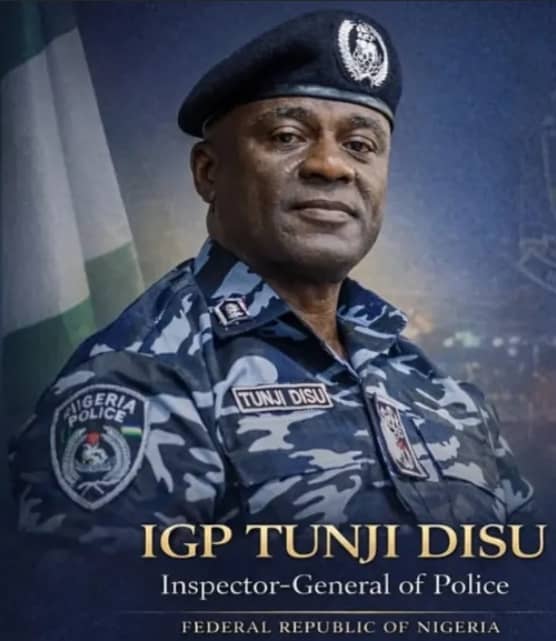
Ajia: Tunji Disu’s Leadership Offers Hope for Tackling Insecurity
By AbdulRahman Obaje
The Dan Amanan Fune Emirate of Yobe State and Nwanne Ukwu Di Na Mba of Amaba-Ukwu Item in Abia State, Alhaji Ibrahim Mohammed Ajia, Ph.D, has congratulated the newly appointed Inspector-General of Police, Tunji Disu, describing his appointment as well deserved and timely for Nigeria’s security challenges.
js">
Ajia also commended President Bola Ahmed Tinubu for what he called a bold and thoughtful decision in appointing a highly experienced and celebrated police officer to lead the nation’s police force.
In a statement signed by his Director of Communications, Mallam Abdulrahman Aliagan, and made available to journalists in Abuja on Monday , Ajia praised Disu’s impressive educational background, professional training and operational experience, noting that Nigeria and Nigerians are fortunate to have him at the helm of the Nigeria Police Force at this critical time.
According to Ajia, the new IGP has built a reputation for professionalism, discipline and dedication to duty, qualities he said are necessary to reposition the police and strengthen internal security across the country.
He noted that the appointment has raised renewed hope that the country can decisively confront insecurity, insurgency, kidnapping and banditry if the police leadership fully deploys its experience, training and operational capacity.
Ajia, a celebrated retired Police Officer, however, advised the new police chief to prioritise the welfare and concerns of officers and men particularly the rank and file who carry out the bulk of policing duties across the country. He stressed that listening to their “yearnings and cries” would significantly improve their morale and operational effectiveness.
He urged the new IGP to see to the end of final exit from the Pencom system to an improved police pension system . Also to address structural imbalances within the force, particularly the growing disparity between senior officers and the rank-and-file personnel who are responsible for frontline policing.
According to him, the police system must return to a proper pyramidal structure that allows for balanced growth, professionalism and efficiency.
The security expert further called for the recruitment of more rank-and-file officers to strengthen community-level policing, noting that the current structure has too many officers in higher ranks while the operational base remains understaffed. He encouraged the new police boss to ensure that recruitment becomes a real and transparent exercise rather than routine announcements.
On welfare, Ajia urged the police leadership to work towards the realignment of police salaries with those of other internal security agencies. He recalled that approval had been granted during the administration of president Goodluck Jonathan but requires only full implementation.
He also advised the new IGP to work closely with the Nigeria Police Trust Fund to ensure that projects and interventions are based strictly on the operational needs assessment of the force . According to him, the National Assembly should also strengthen the legal framework guiding the Trust Fund so that it functions purely as a professional support institution rather than a political structure.
Fune Emirate title holder emphasised that with the establishment of the Trust Fund, funding for policing in Nigeria should no longer be a major challenge if properly managed.
Speaking on insecurity, he expressed confidence that Nigeria can significantly reduce insurgency, kidnapping and banditry if the police rise fully to the responsibility of internal security. He urged Disu to deploy his experience, networks and training to confront criminality decisively.
He also recommended the establishment of a special force counter-terrorism unit within the police, stressing that the Nigeria Police already possesses a model that can be strengthened into an effective national response unit for violent crimes
Ajia concluded that Nigerians are optimistic about the future of policing under Disu’s leadership and expressed confidence that with courage, strategic reforms and commitment to officers’ welfare, the new Inspector-General of police will leave a lasting legacy in the nation’s security system.
Author Profile

Latest entries
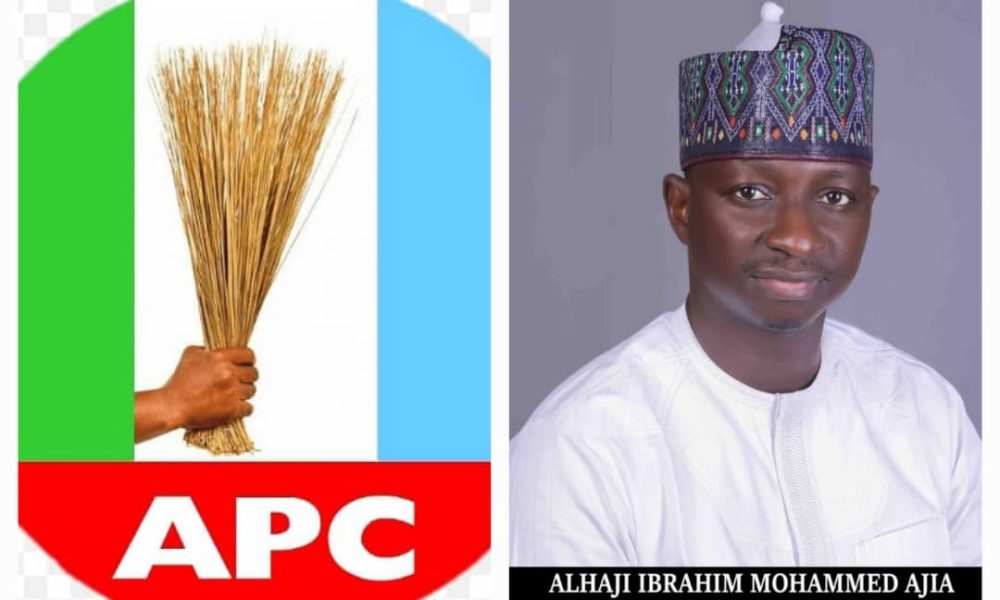 PoliticsMarch 5, 2026Ajia Congratulates Kwara APC Exco , Gov. AbdulRaham Others Over Successful State Congress
 NewsMarch 3, 2026Ajia: Tunji Disu’s Leadership Offers Hope for Tackling Insecurity
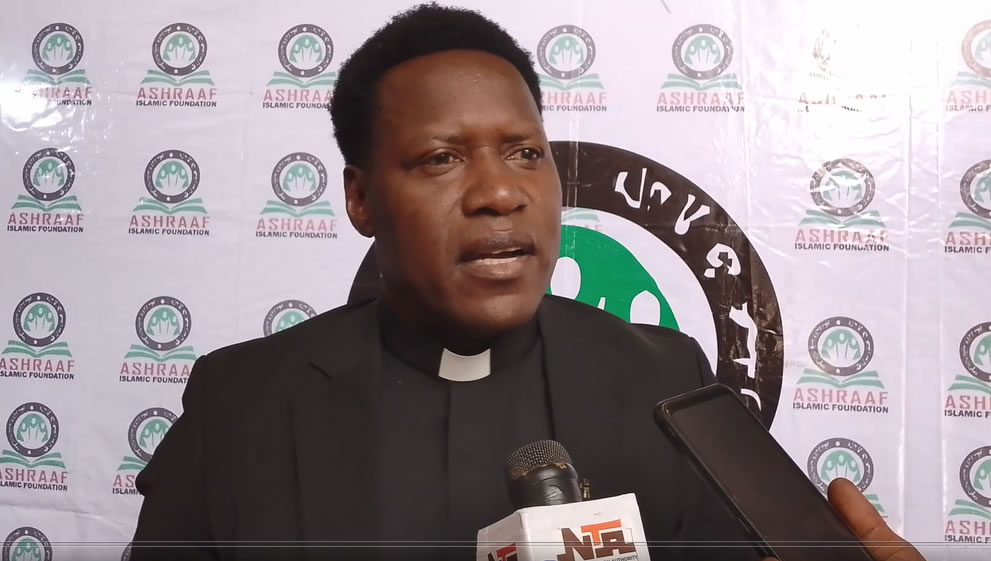 NewsMarch 3, 2026Rev. Fr. Barkindo of the Kukah Centres highlights 2 points to tackle insecurity, at the Ashraaf Islamic Foundation Centre Ramadan Lecture
 NewsMarch 3, 2026Ashraaf Islamic Foundation Tackles Insecurity with 9th Annual Ramadan Lecture
News
Rev. Fr. Barkindo of the Kukah Centres highlights 2 points to tackle insecurity, at the Ashraaf Islamic Foundation Centre Ramadan Lecture
By AbdulRahman Obaje
The Rev. Fr. Atta Barkindo, Executive Director of The Kukah Centre (TKC), and Head of Secretariat for the National Peace Committee has identified two cogent points to tackle insecurity in Nigeria.
adsbygoogle || []).push({});
He revealed this during the 9th Annual Ramadan Lecture and Prayer for the Nation, presented by Ashraaf Islamic Foundation in Abuja, Nigeria.
While answering questions from journalists at the event, Rev Fr. Barkindo highlights misrepresentation of religion as the first problem.
He said, “I think for me, the first thing is to understand where is this problem coming from? Number one, we cannot keep denying that this thing has nothing to do with Islam or has nothing to do with Christianity. I think if you make this denial, you have not understand.
“If you have ten children and one of them becomes a thief, are you saying that that thief is no longer your child, is your child.”
“So, the first thing is that people are exploiting religion, they are misrepresenting religion and we need to get religious leader who understand the situation, who have the influence, the respect in order to proffer solutions and to help us to stop the exploitation and the misrepresentation of religion.
He further revealed that education is the second key element in the equation.
“And the second element for me actually is education. People are really not very educated and it is difficult for you to practice democracy in a context of illiteracy. So there has to be proper education that can offer jobs, meaningful jobs to people. And I think once people have this job they are likely going to leave atrocities and concentrate on their work.”, he continued.
While reacting to questions on why he is part of Muslim gathering, he said, “God is God, where are the human beings trying to make distinction, God has absolutely no problem.”
“The Christians are fasting, Muslims are fasting, there is nothing wrong for me to come and grow from the Islamic perspective. If I get to heaven and there is no Christianity, I have Islam, I will enter heaven; If I get to heaven and there is no Islam, I have Christianity, I will enter heaven; so, I am pretty very much okay with it.”
“My biggest interest was actually to look at the Islamic jurisprudence, either supporting or making illegitimate terrorist activities in this country. Does Islam support terrorism through jihad or does Islam prohibit terrorism and condemn jihad rather than personal effort and I think for me this is really an interesting aspect and I think this will afford the government in developing some very strong strategic policies recommendation from lectures of this nature.”
“To see how they can work with religious leaders particularly Islamic groups in supporting the justice system, the judicial processes that will hold perpetrators of atrocities accountable.”
“And at the same time, what sort of mediation, conflict resolution, reconciliation platform can communities create in their local area in order to mitigate the violence across this country.”
“We don’t have to wait for another country to come into Nigeria and tell us what is happening. We can all see for ourselves. It’s not Christians, it’s not Muslims, Nigerians are dying literally from every part of this country; in Sokoto, in Zamfara, in Katsina, in Benue, in Plateau, in Adamawa, Christians, Muslims, atheist; at the end of the day, Nigerians are dying.”
“And I think for me we should look at it from that perspective. Death is about Christians or Muslims. It is about the fact that Nigerian citizens are being killed and what can we do to stop the killing together?”.
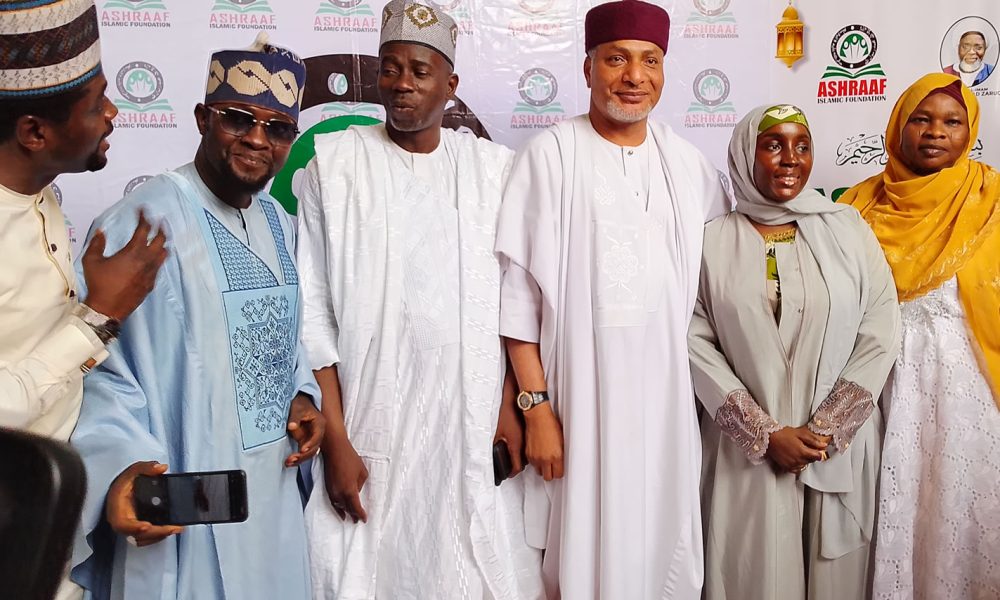
The Ashraaf Islamic Foundation is always striving to tackle the socio-economic problem bedeviling the nation with its Annual Ramadan Lecture and Maolid Nabiyy. This year edition of the Annual Ramadan Lecture had gathered notable Nigerians focusing on the Islamic perspective on banditry and terrorism with theme “Faith & Justice, The Islamic Judicial Perspective on Terrorism, and Banditry in Nigeria.”
Author Profile
Latest entries
PoliticsMarch 5, 2026Ajia Congratulates Kwara APC Exco , Gov. AbdulRaham Others Over Successful State CongressNewsMarch 3, 2026Ajia: Tunji Disu’s Leadership Offers Hope for Tackling InsecurityNewsMarch 3, 2026Rev. Fr. Barkindo of the Kukah Centres highlights 2 points to tackle insecurity, at the Ashraaf Islamic Foundation Centre Ramadan LectureNewsMarch 3, 2026Ashraaf Islamic Foundation Tackles Insecurity with 9th Annual Ramadan Lecture
News
Ashraaf Islamic Foundation Tackles Insecurity with 9th Annual Ramadan Lecture
By AbdulRahman Obaje
Many people, especially Nigerians were not happy when on October 31st, 2025, the United States of America led by Donald Trump had again designated Nigeria a country of particular Concern (CPC), citing severe systemic and ongoing violation of religious freedom.
adsbygoogle || []).push({});
googlesyndication.com/pagead/js/adsbygoogle.js">
This is because Nigeria insiders know that impact of insecurity in Nigeria does not only affect a particular religion or sect or tribe or state as claimed by outsiders. The version of insecurity that Nigeria as a nation is currently experiencing has recorded significant blow to properties and loss of lives to Christians, Muslims, traditionalists and atheists alike; from the northern, southern, eastern, western and even the middle-belt parts of the country. So, concluding that a particular religion, sect or tribe is being targeted at might revealed that such does not actually understand the true nature of insecurity in Nigeria.
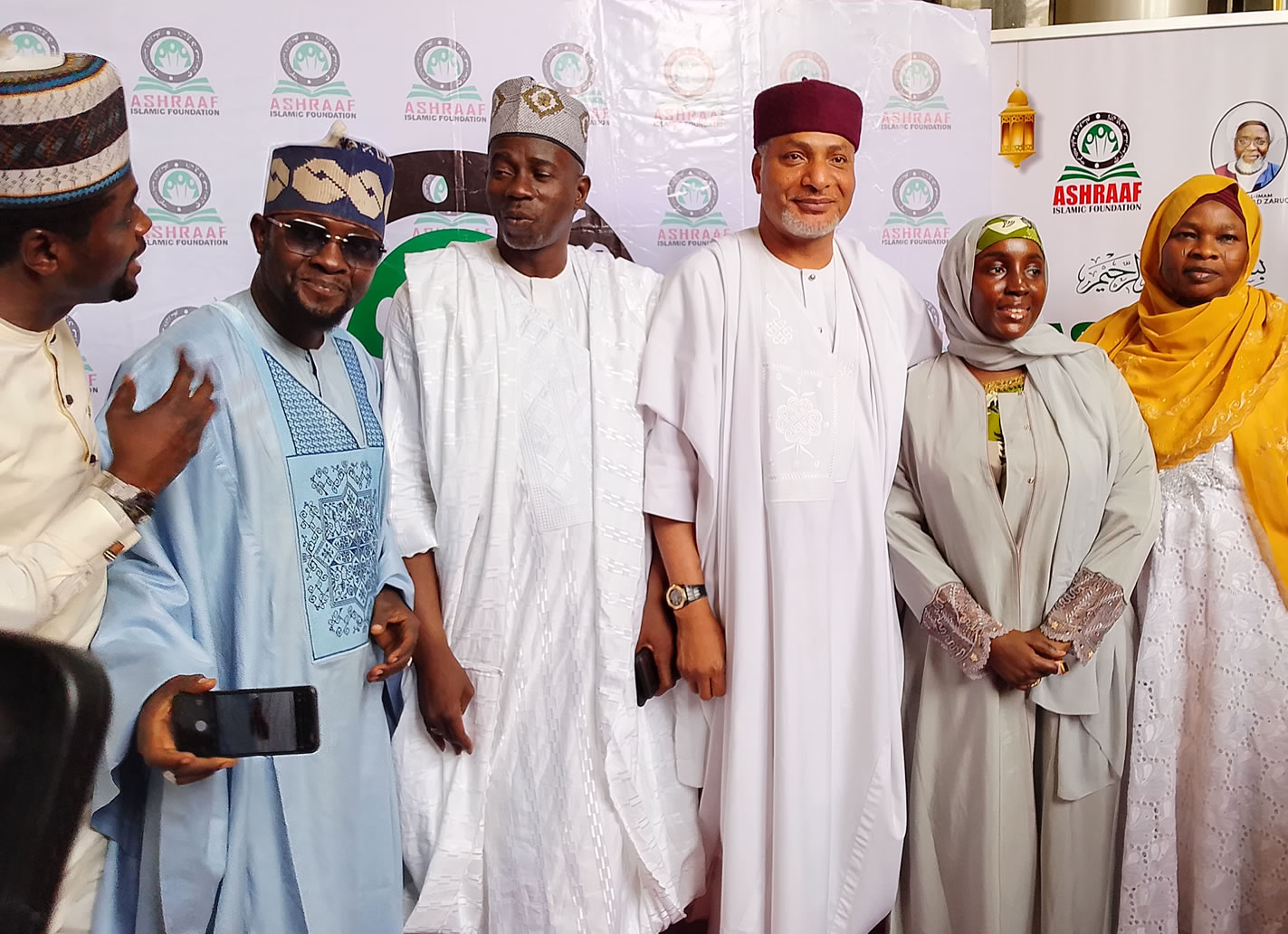
Notable among those that truly understand the real calculus of insecurity in Nigeria is the Founder/Chairman, Ashraaf Islamic Foundation, Imam (Dr) Sharafudeen Abdulsalam Aliagan. So, it is not surprising that the 9th edition of Ashraaf Islamic Foundation’s Annual Ramadan Lecture and Prayer for The Nation focused on assisting the government in tackling insecurity by bringing stakeholders together under one roof of discussion so as to channel a course of action for the nation.
This year Ramadan Lecture which theme is “Faith & Justice, The Islamic Judicial Perspective on Terrorism, and Banditry in Nigeria” gathered stakeholders from across the board; the judiciary, the executive and the legislative arms of government; religious leaders, politicians, business moguls among other notable Nigerians.
Those that speak with journalists among guest speakers at the event expressed enthusiasm hoping that outcome of the event will boost the fight against terrorism and banditry in no small measure.
Salisu Abubakar representing the grand cardy of the sharia court of appeal of FCT, Abuja while interacting with journalists at the event said, “the grand cardy had wanted to attend however, other engagement prevented him from doing so. And he sends his appreciation and congratulations to the organizer, Ashraaf Islamic Foundation, especially for coming up with a very timely topic on the issue of Islamic judicial perspective on terrorism and banditry in Nigeria.”
“This topic could not have come at a better time than now especially considering what the country is with lately presenting, Nigeria has been designated as a country of a particular concern by the United State of America.”, he continued.
“It is our belief that Islam has provided solution and prescription on how to fight terrorism and banditry. Allah clearly says in the Holy Quran in chapter 5, verse 33 on how bandits and terrorists should be dealt with. Incidentally and fortunately the terrorism prohibition acts in Nigeria has borrowed a leaf from most of the punishment prescribed in the Quran. So, what is left is the will to prosecute bandits and terrorists.”
“All hands must be on deck, the judiciary, the executive and the legislature to see to the end of banditry and terrorism in Nigeria.”, he charges.
“Fortunately, the organizer is able to empanel the right stakeholders to this program, the representative of Mr. president, the person of honourable minister of state for health and social welfare was here; a senator of the federal republic of Nigeria is here and the judiciary is represented by us.”
“So, all the three arms of government are here and we hope that this program will come up with solutions on how to implement the laws that we already have; both in the Quran and the Nigeria constitution and other relevant legislation
Also, a security expert and politician, Dr. Muhammad Ibrahim Ajia commending the organizer of the Annual Ramadan Lecture event while emphasizing its importance to the modern-day challenges bedeviling us as a nation said, “I must say to you that this Ramadan Lecture is a very unique one, the topic borders about typical issue that is confronting our nation.”
“The guest lecturers and all the speakers are looking at the perspective on how to assist the country in tackling the problems of insurgence, kidnapping and all sort of senseless killing that is going on across Nigeria. And from here today, we are going to deduce that if you go back to faith, if you go back to Islamic perspective on dealing with high level of crime, I can tell you the society will be free of such heinous crimes.”
While proffering solutions to the insecurity, Rev. Fr. Atta Barkindo, Executive Director of the Kukah Centre (TKC), and Head of Secretariat for the national Peace Committee highlights two cogent points as a take-home if we must get it right about the insecurity.
Fr. Barkindo said, “I think for me, the first thing is to understand where is this problem coming from? Number one, we cannot keep denying that this thing has nothing to do with Islam or has nothing to do with Christianity. I think if you make this denial, you have not understand.
“if you have ten children and one of them becomes a thief, are you saying that that thief is no longer your child, is your child.”
“So, the first thing is that people are exploiting religion, they are misrepresenting religion and we need to get religious leader who understand the situation, who have the influence, the respect in order to proffer solutions and to help us to stop the exploitation and the misrepresentation of religion.
“And the second element for me actually is education. People are really not very educated and it is difficult for you to practice democracy in a context of illiteracy. So there has to be proper education that can offer jobs, meaningful jobs to people. And I think once people have this job, they are likely going to leave atrocities and concentrate on their work.”
All hands must be on deck so as to see to the end of banditry and terrorism in Nigeria.
Imam Aliagan, the visionary founder of Ashraaf Islamic Foundation, has continuously worked towards educating and awakening the consciousness of Muslims and non-Muslims alike on topical issues of national concern. For years, his efforts have been showcased during the Annual celebration of his Foundation’s Maolid Nabiyy and Special Ramadan lectures and prayers.
Author Profile
Latest entries
PoliticsMarch 5, 2026Ajia Congratulates Kwara APC Exco , Gov. AbdulRaham Others Over Successful State CongressNewsMarch 3, 2026Ajia: Tunji Disu’s Leadership Offers Hope for Tackling InsecurityNewsMarch 3, 2026Rev. Fr. Barkindo of the Kukah Centres highlights 2 points to tackle insecurity, at the Ashraaf Islamic Foundation Centre Ramadan LectureNewsMarch 3, 2026Ashraaf Islamic Foundation Tackles Insecurity with 9th Annual Ramadan Lecture