
Food and Agriculture
FG To Deploy ICT-based Platform to Leverage on Delivering Farm Inputs
For effective delivery of farm inputs, the Federal Government said it had taken steps to leverage the efficient implementation of the rebranded National Agricultural Growth Scheme and Agro-pocket, (NAGs -AP), . adsbygoogle || []).push({});

Mr Ibrahim Arabi, National Programme Coordinator, Agricultural Transformation Agenda Support, said this in an interview with the News Agency of Nigeria (NAN) in Abuja.
He said that the proposed technology would ensure that farm inputs such as fertilizers, seeds, and agrochemicals, among others, got to the farmers across the country.
Arabi said: “We are using an ICT platform delivery system to leverage the system of distribution, we are going to include the farmers and farm inputs in the system to make it an ICT treatment and transparent.”
He said that the recent NAGS meeting was organised to sensitise farmers and fashion out the way forward in the implementation of the scheme.
“This meeting is on the strategy to support farmers with subsidised inputs and also with the institutional capacity for increased productivity,” the coordinator said
On whether the inputs were affordable, Arabi said the Federal Government was giving out about 80 per cent subsidy of the commodity to the farmers.
According to him, the government is using the ICT platform to ensure that farmers have smooth delivery of inputs for the 2023 farming season.
Arabi said that delivery of the inputs would be perfected and the mistakes of 2022 corrected to ensure a seamless delivery of the farm inputs.
Also speaking, Mr Ishaku Buba, Deputy Director, Growth Enhancement Scheme in the Ministry of Agriculture and Rural Development, said that the government was creating a system to evaluate its support to the farmers.
He said: ” We are creating a system whereby we will be able to see the impact of the government on the farmers.
”For instance, I supported you, I met you at this level, and I want to know the impact of what I have supported you with.”
Buba said the distribution of inputs would soon start, adding that the government was targeting the right time of farming activities.
On the cost of inputs such as fertilizers, he said that the cost was dynamic depending on the prevailing market price of the commodity.
“On cost, we look at the prevailing market price and put our subsidy based on that, we cannot fix the price in January and then use it now it is dynamic.
“We have looked at the climatic conditions, we know the procedures to follow for the planting season and we are targeting this period.
“The distribution of inputs will take two to three weeks, but we will start with the seeds. We’ll show the farmers how to apply the seeds very well so that we can get a better result from them,” Buba said.
Mrs Mary Afan, President of the Small-Scale Women Farmers Organisation (SWOFON), said that the women were waiting for the Federal Government to distribute the farm inputs.
According to her, fertilizer which was bought in the market at the rate of N27,000 or N30,000 a bag in 2022, had increased to N35,000 and N38,000 per bag.
She urged the government to consider giving more incentives to the farmers so that they could increase production.
Meanwhile, the Fertiliser Producers, Suppliers Association of Nigeria (FEPSAN) has blamed the current hike in the price of the product on foreign exchange.
Mr Gideon Nagedu, the association’s Executive Secretary, said almost all the blending materials for fertilizer were imported.
Nagedu told the News Agency of Nigeria in Abuja that the current policy on forex had drastically affected the price of the commodity.
According to him, in June, the price of a 50kg bag of fertilizer was as low as N18, 000, adding that at the moment, it had risen to N25, 000 to N26, 000. respectively.
Nagedu said: “Interestingly prices of fertilizer have been fluctuating as a bag of 50kg fertilizer that sold as high as N29,000 last year, just a month ago came as low as N18,000 and in some places N20,000.
“ But, suddenly a change in foreign exchange eventually skyrocketed the price of the product. Most of the blending materials for fertilizer are imported.”
In another development, some farmers in Abuja have decried the high cost of farm inputs, saying this would have a negative impact on food security.
They said only a few farmers have the resources to buy fertilizers and pesticides to apply on their farms.
Mr Adams Dogo, a farmer in Bwari Area Council said the price of a bag of fertilizer was high, contributing to the low crop production yield.
He said: “Most of us local farmers in the rural areas find it very difficult to buy fertilizers and pesticides that we need on the farm, most times we use local means to help boost our farms”.
Mrs Victoria Yohana, also a farmer, appealed to the government to ensure that farmers at all levels got access to farm inputs.
The President of the Potatoes Farmers Association (POFAN), Mr Daniel Okafor, said his members were yet to get fertilizers from the government.
Source: NAN
Author Profile

Latest entries
 NewsJanuary 27, 2026Soludo’s Economic Blockade of Onitsha Is ‘Declaration of War’ Against Igbo People
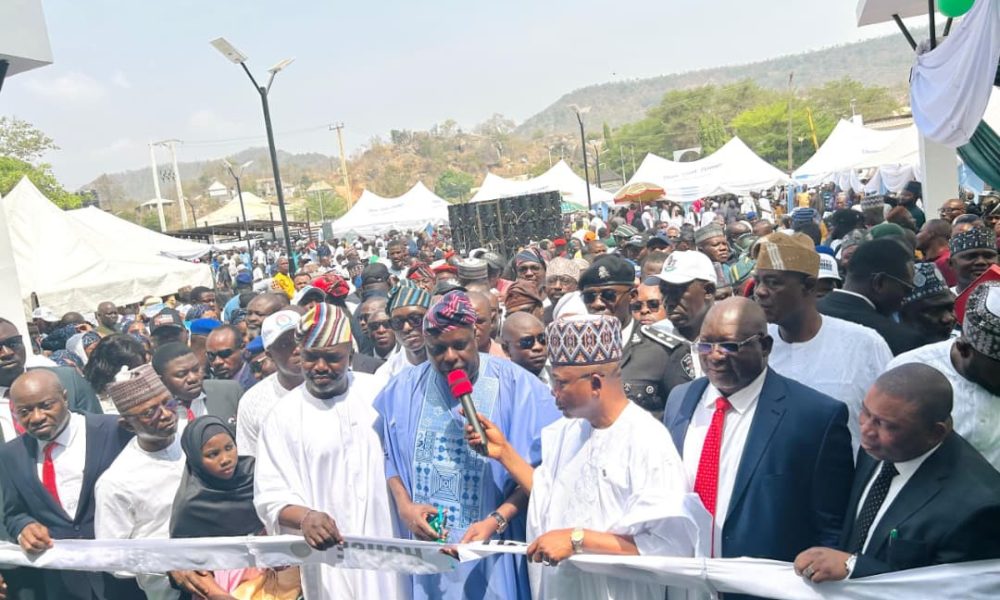 Business and EconomyJanuary 27, 2026Ododo Lauds Tinubu Over Public Finance Reforms, As Chief Ibori Commissions Kogi Audit House
 OpinionJanuary 27, 2026Rep Members Do Not Sell Contracts: Boniface Adie Must Cease the Barefaced Lies Against Hon. Peter Akpanke
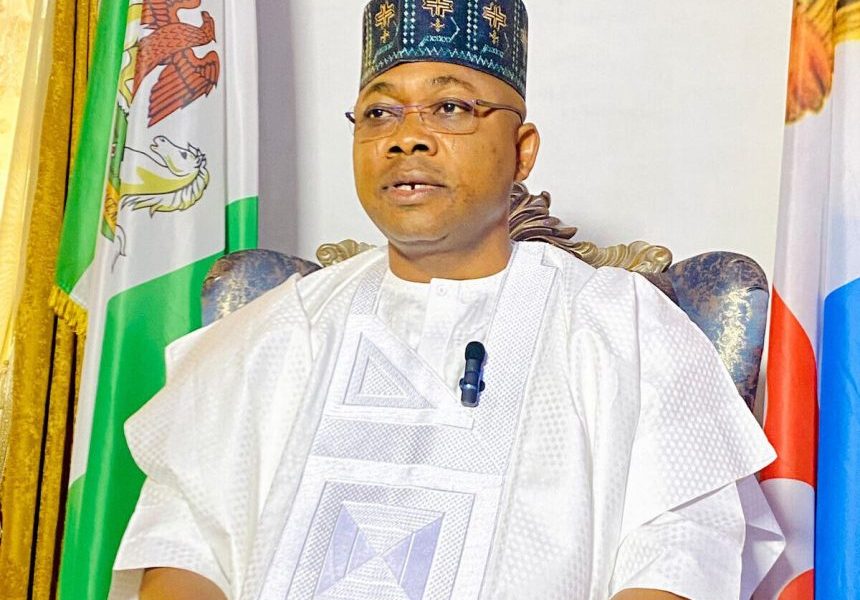 Food and AgricultureJanuary 16, 2026Kogi Vows To Invest More In Cashew Business For Job Creation, Others





Food and Agriculture
Kogi Vows To Invest More In Cashew Business For Job Creation, Others
From Joseph Amedu, Lokoja
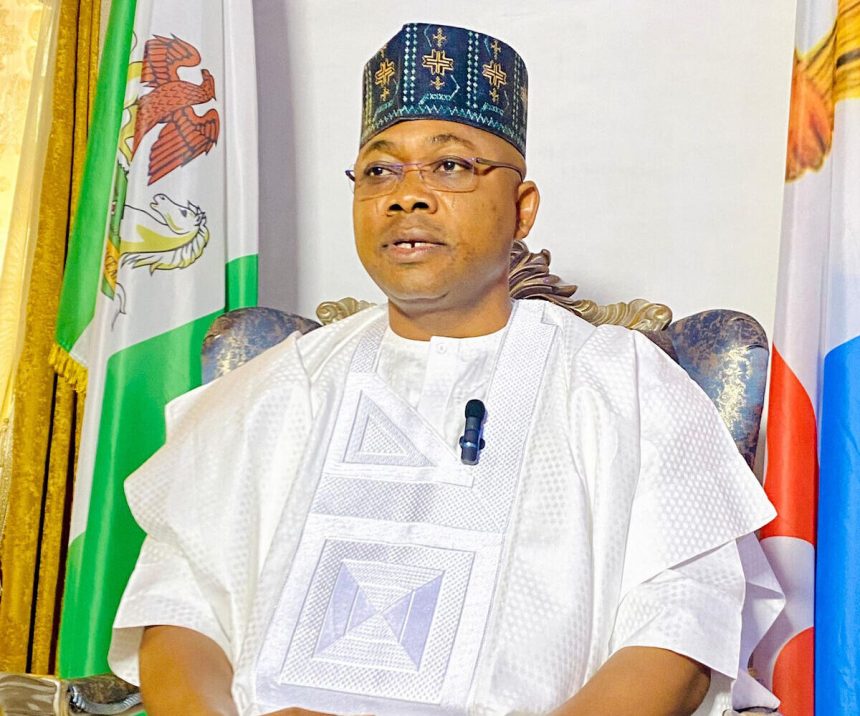
Following the current high rate of unemployment bedeviling Nigeria, Governor Ahmed Usman Ododo of Kogi state has given an assurance that his administration will invest more in Cashew Business as alternative source of survival for the people.
adsbygoogle || []).push({});
com/pagead/js/adsbygoogle.js">
Ododo maintained that apart from job creation, Cashew Value Chain has the potential of boosting the state’s socio-economic and industrial development.
Governor Ododo gave the assurance while flagging off the 2026 Cashew Season and Unveiling of Kogi Cashew Procurement and Trade Policy, 2025, as well as Distribution of five million Hybrid Cashew Seedlings to Farmers, held at the Government House, Lokoja on Friday.
The launch was organized by the Kogi State Commodity Exchange, Export Promotion and Market Development Agency (KOSCEPA) in collaboration with Agro Trading Consult Limited (ATCL) to commence the activities of this year’s Cashew farming in the state.
According to Governor Ododo “My administration is encouraging investment in Cashew Production in large scale commercial as it remains the most valuable cash crops and a major player in wealth creation, socio-economic and industrial development of a given society.
“Our focus as a government should shift from emphasis in politics to large scale investment in cash crops especially Cashew Production, Packaging, Processing, Branding and Structured Grades”
He noted that Cashew could be used as food, medicine, industrial purpose, agriculture, and cosmetic amongst others hence the need for heavy investment in the sector in view of its enormous value to human existence.
The Governor warned against stakeholders who embark on unregistered and illegal middle men in Cashew Business and other mining activities in the state to desist forth with or be ready to face prosecution.
“Stakeholders should endeavor to follow due process by getting themselves registered as any person found violating this government policy will be made to face the full wrath of the law”
The Director-general of Kogi State Commodity Exchange, Export Promotion and Market Development Agency, KOSCEPA, Victor Omofaiye in his welcome address, outlined the benefits of cashew to include; promotion of local cashew processing industries for job creation, enhancement of quality control and maintenance of Kogi’s reputation as a top cashew processing state, establishment of a structural and traceable cashew marketing system, increasing state revenue through organized trade and export levies and showcasing Kogi state cashew to the world.
Omofaiye also enumerated measures put in place to ensure Cashew Nuts quality control and regulation as follows:
*No foreigner is allowed to purchase we raw Cashew Nuts
*All buyers and exporters of Cashew nuts within Kogi state shall register with Agro trading Consult Limited in order to qualify for participation in the 2026 Cashew season
*The use of the Kogi state customized jute bag is sacrosanct, as without it no Cashew nut is permitted to leave the state
*All licensed buying agents must grant access for grading and inspection of all Cashew within the Agro Trading Consult Limited accredited warehouses for quality certification purposes
*Fumigation of all ATCL accredited warehouses for storing cashew is mandatory
*Payment of all regulatory levies is sacrosanct
*Shaking of cashew trees to reduce early harvest is strictly prohibited
Kogi State’s Commissioner of Commerce and Industry, Muktar Shaibu, in his remarks, praised Governor Ododo policy on poverty reduction in the state through agriculture particularly in Cashew Production.
According to the commissioner “Kogi people will remain supportive of this laudable policy which has brought relief and smiles on their faces”
The Ata’Igala and President of Kogi State Council of Traditional Rulers, His Royal Majesty Matthew Opaluwa, who also spoke at the event, hailed Governor Ododo’s efforts to increase Farmers wealth through investment in agriculture.
His Royal Majesty who was represented by Onu Itobe, Chief Salifu Ocholi, declared the traditional Rulers solidarity and loyalty to Governor Ododo’s administration in view of his numerous achievements in uplifting the living standard of the people within the short period in office.
Author Profile
Latest entries
NewsJanuary 27, 2026Soludo’s Economic Blockade of Onitsha Is ‘Declaration of War’ Against Igbo PeopleBusiness and EconomyJanuary 27, 2026Ododo Lauds Tinubu Over Public Finance Reforms, As Chief Ibori Commissions Kogi Audit HouseOpinionJanuary 27, 2026Rep Members Do Not Sell Contracts: Boniface Adie Must Cease the Barefaced Lies Against Hon. Peter AkpankeFood and AgricultureJanuary 16, 2026Kogi Vows To Invest More In Cashew Business For Job Creation, Others
Food and Agriculture
AFAN President Charges Members On Improving Capacity Of Farmers
From Joseph Amedu, Lokoja
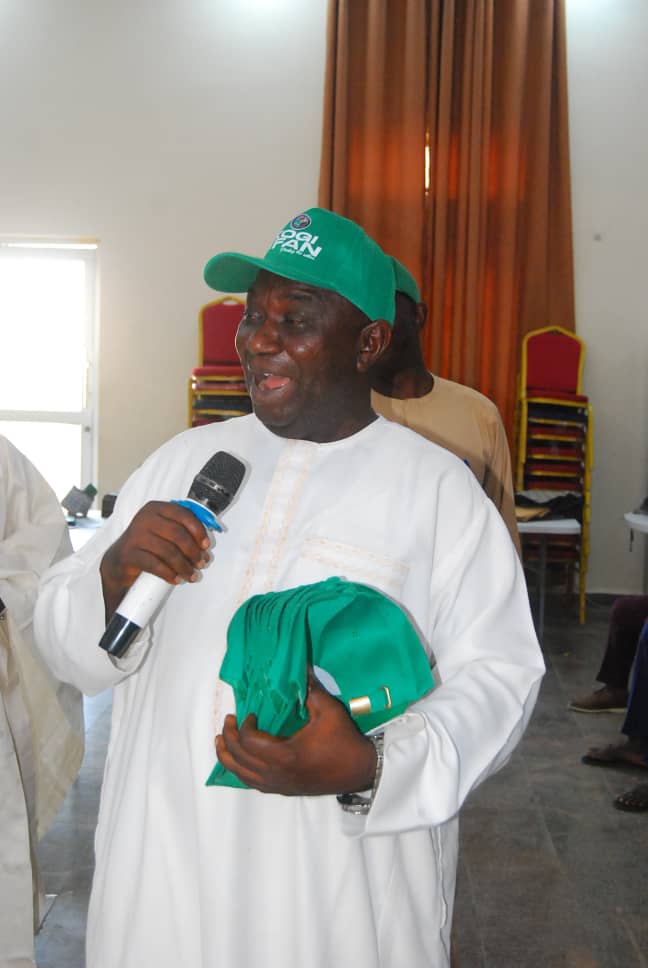
The National President of All Farmers Association Of Nigeria (AFAN), Dr Farouq Rabiu Mudi, has charged the state chapter of AFAN to double their efforts to improve the capacity of all farmers in the state.
adsbygoogle || []).push({});
js">
Dr Rabiu made the call at the inauguration of the state chapter of AFAN led by a retired Deputy Clerk of the National Assembly, Senate, Alhaji Ahmad Abdullahi.
He said farmers in Kogi State had all the potentials to produce for the country and for export stressing that the state has enough arable land and favorable climate.
The President commended that the new chairman for his proven track record which he has exhibited in the inauguration of the state executive in a record time adding that if it is only those with capacity that can do such.
He admonished him not to relax but do everything possible to ensure that the all the farmers in the state no matter where the residue are are carried along.
Author Profile
Latest entries
NewsJanuary 27, 2026Soludo’s Economic Blockade of Onitsha Is ‘Declaration of War’ Against Igbo PeopleBusiness and EconomyJanuary 27, 2026Ododo Lauds Tinubu Over Public Finance Reforms, As Chief Ibori Commissions Kogi Audit HouseOpinionJanuary 27, 2026Rep Members Do Not Sell Contracts: Boniface Adie Must Cease the Barefaced Lies Against Hon. Peter AkpankeFood and AgricultureJanuary 16, 2026Kogi Vows To Invest More In Cashew Business For Job Creation, Others
Food and Agriculture
Kogi L‑PRES Trains 300 Livestock Extension Workers, Farmers, Community Service Providers

From Joseph Amedu, Lokoja
The Kogi State Livestock Productivity and Resilience Support Project (Kogi L‑PRES), has commenced a capacity‑building workshop to mainstream Participatory Rural Appraisal (PRA) and Participatory Learning Action (PLA) methodologies into livestock extension training for Livestock Development in Kogi State
The event, held across the three Senatorial Districts of Kogi State, gathered over 300 Livestock Extension Agents, Lead Livestock Farmers, Key Value Chain Actors and community service providers, among others.
While declaring the workshop open in Lokoja, the Commissioner for Livestock Development, Dr Olufemi Bolarin, expressed pleasure at the gathering, noting that livestock is vital to Kogi’s economy, food security, and poverty reduction.
He highlighted challenges such as limited extension access, inadequate technical skills, and low technology adoption, and reaffirmed the state government’s commitment to empowering its workforce.
Represented by the Ministry’s Permanent Secretary, Dr Abdulsalam Hadi, the Commissioner urged participants to actively share experiences and learn for the benefit of farmers.
Earlier in his welcome address, the State Project Coordinator of Kogi L‑PRES Trains 300 Livestock Extension Workers, Farmers, Community Service Providers Mr Abdulkabir Onoruoyiza Otaru, said the training kicked off on Thursday in Lokoja for participants from Kogi West, continued on Friday in Anyigba for the East, and today, Saturday, in Okene for Kogi Central participants.
He said the workshop aims to strengthen participants’ ability to integrate PRA/PLA techniques into their extension / Advisory service delivery at Livestock Value Chain Clusters across the 21 LGAs of Kogi State.
According to him, it will improve the relevance and effectiveness of training programmes, address the specific needs of rural livestock farmers, and accelerate adoption of innovative technologies and Good Animal Husbandry Practices.
“The programme is structured as a “Train‑of‑Trainers” (ToT) initiative targeting 300 participants, including livestock extension agents, lead livestock farmers, and key value‑chain actors.
Mr Otaru noted that while Kogi L‑PRES initially recorded over 54,000 livestock farmers at baseline, a re‑validation exercise identified 32,000 genuine livestock farmers, declaring that the era of portfolio farmers without farms is gone in Kogi State.
He emphasised that the trained livestock extension agents and lead livestock farmers will cascade the training to at least 32,000 farmers across 64 Livestock Value Chain Clusters in the 21 local government areas of the state.
He noted that competent resource persons from the National Agricultural Extension Research and Liaison Services (NAERLS), ABU‑Zaria, will facilitate the workshops, supported by a National Extension Service Specialist from L‑PRES National Coordination Office, Abuja.
Mr Otaru thank and appreciate the Governor, His Excellency, Alhaji Ahmed Usman Ododo for his unwavering support toward empowering Kogi livestock farmers, enhancing livestock productivity, and ensuring the achievement of food security in the state.
He urged participants to engage actively, noting that the workshop should be a “contributory and participatory program” that will drive sustainable livestock management and long‑term community resilience, especially in underserved areas.
The Managing Director, Kogi State Agricultural Development Project (ADP), Dr Bello George Ogirima, described the training workshop as a crucial step toward building the Livestock Extension Agents and Lead Livestock Farmers capacity and strengthening adaptive strategies for livestock production.
He emphasized that livestock extension agents are key to quality extension/advisory service delivery at the agribusiness clusters and urged full cooperation to complement project goals.
A Livestock Extension Agent, Mr Johnson Olusegun from Mopamuro LGA, commended Kogi L‑PRES for prioritizing continuous training and retraining of extension agents and farmers, stating the workshop would empower them to address challenges hindering livestock value chains.
The workshop featured presentations from resource persons on topics such as Participatory Needs Assessment (PNA), PRA/PLA in livestock extension, Participatory Planning and Prioritization, Participatory Technology Development and Testing, and Monitoring & Evaluation Methods, among others.
The workshop is expected to mark a significant step toward mainstreaming participatory approaches in Kogi’s livestock sector, laying a foundation for scalable and resilient farming practices across the state.
Author Profile
Latest entries
NewsJanuary 27, 2026Soludo’s Economic Blockade of Onitsha Is ‘Declaration of War’ Against Igbo PeopleBusiness and EconomyJanuary 27, 2026Ododo Lauds Tinubu Over Public Finance Reforms, As Chief Ibori Commissions Kogi Audit HouseOpinionJanuary 27, 2026Rep Members Do Not Sell Contracts: Boniface Adie Must Cease the Barefaced Lies Against Hon. Peter AkpankeFood and AgricultureJanuary 16, 2026Kogi Vows To Invest More In Cashew Business For Job Creation, Others